


Heavy Copper

Heavy Copper

Heavy Copper

CONTACT AN ENGINEER Customer service

Heavy Copper Printed Circuits

High Current, High-Reliability PCBs Built for Power & Performance

Heavy-copper PCBs use significantly thicker copper layers to handle high currents, improve thermal dissipation, reduce impedance, and deliver enhanced mechanical toughness in demanding environments. PICA’s heavy-copper capability supports power-electronics, automotive, industrial, and defense applications that demand more than a standard PCB.

Why Choose Heavy Copper Printed Circuits?

  • Massive Current-Handling Capacity – Heavy copper layers allow high-current traces, bussing and plane structures far beyond standard boards.

  • Enhanced Heat Management & Thermal Stability – Thicker copper and optimized via/plane structures pull heat from high-power components and reduce risk of thermal fatigue.

  • Layer Count & Footprint Efficiency – With heavy copper, power and control circuitry can often be combined, reducing layer count and board size.

  • Mechanical & Environmental Durability – Boards with heavy copper can survive thermal cycling, mechanical stress, and harsh conditions better than standard copper builds.

  • Design Flexibility for Special Use Cases – Mixed copper weights on-board, heavy-copper pads and heat-sink interfacing, and strong capability for power/bus planes.

Heavy Copper Capabilities – Highlights

  • Finished copper weights from 3 oz and above, with builds up to 10 oz+, 20 oz+ (depending on design).

  • Heavy copper plating for via sidewalls and planes, enabling high-current through-holes and strong thermal pathways.

  • Integrated heat-sink style copper elements or embedded buss plates within the PCB structure for thermal & power performance.

  • Mixed copper weights on a single layer—power traces heavily plated, control signals standard copper—enabling layer-count optimization.

  • Robust design workflows: early DFM for heavy copper routing, copper thickness analysis, thermal dissipation modelling and manufacturability feedback.

  • Prototype to volume production scalability with heavy-copper build process controls and quality assurance.

For technical information on PICA’s Engineering expertise, click the button below.

Global Design & Manufacturing Support

PICA supports heavy-copper builds from concept to production across global engineering and manufacturing sites. Early collaboration ensures correct copper weight selection, trace/plane geometry, thermal path definition, and manufacturable board architecture that meets high current, thermal and reliability targets.

Benefits of Heavy Copper Printed Circuits

High-Power Ready
Heavy-copper PCBs handle large current densities and high power loads with fewer constraints than standard builds—enabling durable power distribution and bus architectures.

Superior Thermal & Electrical Performance
Thicker copper lowers board impedance, improves heat spread, reduces hot spots and supports stable performance under higher duty cycles.

Reduced Board Size & Complexity
Power and control circuits can often be consolidated, layer count reduced, and board footprint minimized by leveraging heavy copper along with standard copper in hybrid layouts.

Enhanced Reliability
Heavy-copper boards are better positioned to resist thermal cycling, mechanical stress, vibration, and environmental extremes—ideal for automotive, industrial, defense, and rugged applications.

Flexible Design for Specialized Needs
From heavy-current bussing to embedded copper heat plates to hybrid copper-weights, these PCBs offer tailored solutions for emerging power systems and high-density power electronics.

Markets We Serve with Heavy Copper PCBs

Industrial Equipment & Power Conversion
Motor drives, inverters, UPS systems, welding controllers and heavy machinery require PCBs that can carry high current and tolerate harsh thermal/mechanical conditions.

Automotive & Electrification Systems
EV charging infrastructure, power-train modules, battery management systems, and vehicle power electronics leverage heavy copper for high-reliability and high-current performance.

Defense & Aerospace Electronics
Radar systems, power distribution panels, shipboard electronics, and rugged mission-critical platforms demand boards built with heavy copper to meet longevity, performance and environmental standards.

Renewables & Grid Infrastructure
Solar inverters, battery storage systems, grid power converters and renewable asset controllers require high-current PCBs capable of efficient heat dissipation and long life.

Telecommunications & Data Centres
Power distribution modules, converters for 5G/6G infrastructure, data-centre power supplies benefit from low-impedance heavy-copper boards to handle demanding loads and continuous operation.

The blogs featured below expand on this page’s content, offering detailed insights into specific design, manufacturing, and application topics that provide added relevance and deeper context for engineers and decision-makers.

PCB, Flex & PCBA Cost Pressures in 2026: What OEMs Need to Watch

Electronics manufacturing is heading into 2026 under pressure from several directions at once. Rising metals costs, laminate and prepreg repricing,...
Flexible circuitry with a molded end cap coiled up

Integrated Flex Circuits and Injection Molding for Electronic Devices

At PICA Manufacturing Solutions, we believe the future of electronics is not built component by component, it is engineered as...
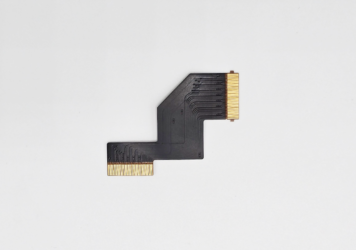
Small flex circuit with black EMI shielding

How Flex PCBs Are Shielded for EMI and RFI Protection

Electromagnetic interference (EMI) and radio frequency interference (RFI) can disrupt signal quality, create data errors, and reduce...
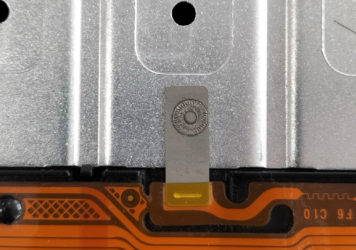
Nickel Tab Mounting

Nickel Tab Mounting on Flex Circuits: Strengthening Electrical and Mechanical Connections

Flexible circuits are often chosen for their ability to route signals through tight spaces while tolerating bending...
Material Selection Framework for Flex PCBs

A practical step-by-step method for choosing materials that hold up in bending, assembly, and real environmentsFlex material...
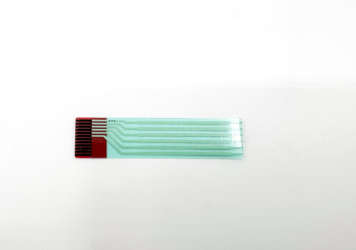
Small rectangular piece of flex circuitry with silver traces

Alternatives to Copper in Flexible Circuits

Copper has been the backbone of flexible printed circuits (FPCs) for decades, and for good reasons. While...
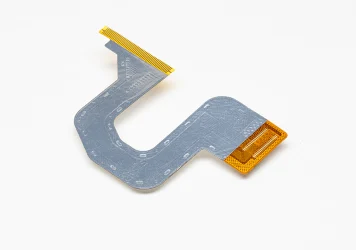
Small piece of S shape polyimide Flex with EMI shielding

Auxiliary Materials in Flex PCB Builds

Stiffener, EMI Shielding, Release liners, spacers, marking inks, thermally conductive adhesive films, and PSA selection guidance.When engineers...

Designing PCBs for Medical Devices: Key Considerations & Compliance Tips

PCB design for medical electronics demands more than just electrical functionality. Devices must meet...