
Biosensors
Biosensor PCB &
Flex Circuit Manufacturing
High-precision PCB and flex circuit solutions engineered for accurate, repeatable biological and environmental detection.
Talk to an Engineer
Engineered for Reliable Detection
Biosensor PCB and
Flex Circuit Solutions
Biosensor electronics must capture subtle biological or environmental signals without allowing materials, contamination, or inconsistent surfaces to compromise the measurement.
PICA supports wearable health analyzers, environmental detection, food-safety monitoring, and related sensing platforms with flex circuits, rigid PCBs, assembly, and custom interconnect expertise.
Applications
Biosensor Applications We Support
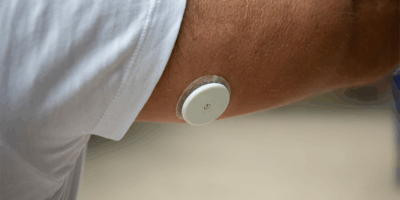
Wearable Body Analyzers
Compact, durable electronics for accurate biosensing in single-use and extended-operation devices.

Environmental Biosensing
Controlled electrode surfaces for toxin detection, food safety, and environmental monitoring.
Engineering Fit
Built Around Sensitive Measurement Systems
Our capabilities support the dimensional, material, surface-quality, and repeatability requirements of advanced biosensor electronics—from prototype through sustained production.

What Is Dynamic Flex PCB? Designing Flexible Circuits for Continuous Motion
Dynamic flex PCBs are where flexible circuit design stops being “just about fitting in tight spaces” and...

Next-Generation Wearable Health Monitoring: Polymer Thick Film Electronics and Biosensor Patches
Polymer Thick Film (Printed Electronics): Thin, Flexible, and Designed for the Human BodyPolymer Thick Film (PTF) technology, commonly referred to...
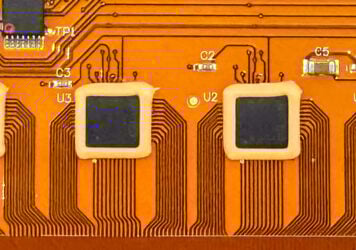
Environmental Resilience in Flex PCB Design
Part 1: High-Temperature Flex Circuit Design – Engineering for Heat Resistance
In aerospace, automotive, industrial,...
Biocompatible Substrates for Flex and Rigid PCBs
In the expanding world of medical devices, and wearables, the demand for biocompatible substrates...
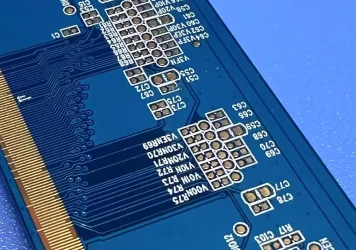
Guide to PCB & FPC Manufacturing Processes
This blog is an excerpt from the white paper Guide to PCB & FPC Manufacturing Processes: Subtractive, Semi-Additive & Additive...
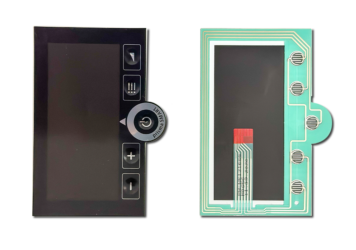
Conductive Inks and Their Role in Flexible and Printed Electronics
As electronics continue to evolve beyond rigid, boxy enclosures, the materials and processes used to build them are changing...

Essential Documentation and Data Files for PCB Component Assembly
When ordering component assembly for your Printed Circuit Boards (PCBs) and Flexible Printed Circuits (FPCs), it's important to...
The Power of Embedded Passives
At PICA, we pride ourselves on being at the forefront of new technological advancements, including embedded passives. Through this blog...