
Automotive
Automotive PCB &
Flex Circuit Manufacturing
High-reliability flex, rigid, and interconnect solutions engineered for demanding vehicle environments.
Talk to an Engineer
Engineered for the Road Ahead
Automotive PCB and
Interconnect Solutions
Automotive electronics must perform through vibration, heat, electrical interference, and years of continuous field use. That demands rugged construction, stable signals, and carefully managed power and heat.
PICA supports EV battery systems, ADAS modules, infotainment, lighting, and in-cabin monitoring with flex, rigid, rigid-flex, assembly, and custom interconnect expertise.
Applications
High-Reliability Electronics for Automotive Applications

EV Battery Management
Precision boards and flexible interconnects for high-capacity energy storage systems.

ADAS Modules
High-performance flex and rigid PCBs for radar, lidar, camera, and control modules.

Infotainment & Displays
EMI-conscious, signal-stable electronics for touchscreens and integrated vehicle displays.

Lighting Systems
PCB solutions for smart LED modules, adaptive lighting, and dependable power delivery.

In-Cabin Monitoring
Durable electronics for fatigue detection, biometrics, and next-generation safety features.
Engineering Fit
Built Around Demanding Vehicle Environments
Our capabilities support the thermal, electrical, mechanical, and durability requirements of advanced automotive electronics—from prototype through sustained production.

What Are Metal Core PCBs Used For? Applications, Benefits, and Industry Examples
As electronic devices become more powerful and compact, managing heat has become one of the most important challenges in product...
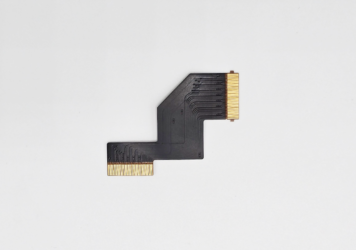
How Flex PCBs Are Shielded for EMI and RFI Protection
Electromagnetic interference (EMI) and radio frequency interference (RFI) can disrupt signal quality, create data errors, and reduce...
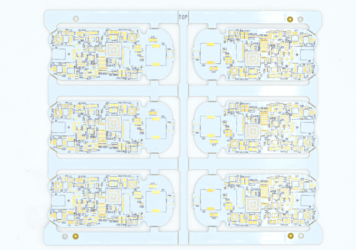
Metal Core PCBs (MCPCBs): Thermal Muscle for High-Power Electronics
Modern electronics pack more power into tighter spaces than ever. That heat has to go somewhere.
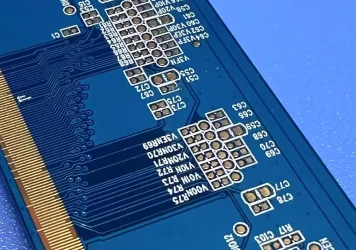
Guide to PCB & FPC Manufacturing Processes
This blog is an excerpt from the white paper Guide to PCB & FPC Manufacturing Processes: Subtractive, Semi-Additive & Additive...
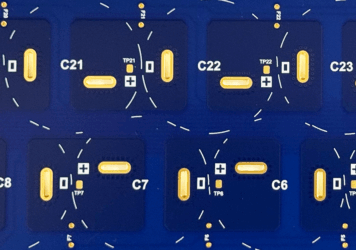
Designing High Voltage PCBs: Key Layout and Material Considerations
When working with high-voltage circuits, design priorities shift. While many PCBs focus on high-speed signaling, impedance control, or...
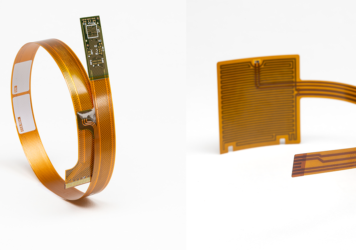
Understanding Copper Limits & Bend Radius in Flex PCBs
Whether you're designing for a high-durability dynamic application or a compact static installation, every detail matters—from copper type and thickness...
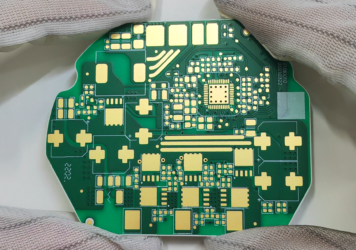
The Rise of Ceramic Substrate Printed Circuit Board
Ceramic substrate PCBs (Printed Circuit Boards) represent a significant advancement in circuit board technology, especially when compared to traditional...
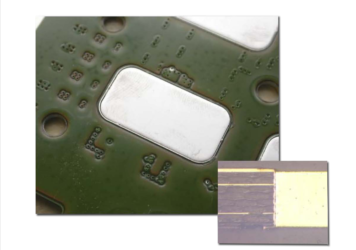
The Power of Embedded Passives
At PICA, we pride ourselves on being at the forefront of new technological advancements, including embedded passives. Through this blog...