
Industrial
Industrial PCB &
Interconnect Manufacturing
Durable, high-performance PCB and assembly solutions engineered for demanding industrial environments.
Talk to an Engineer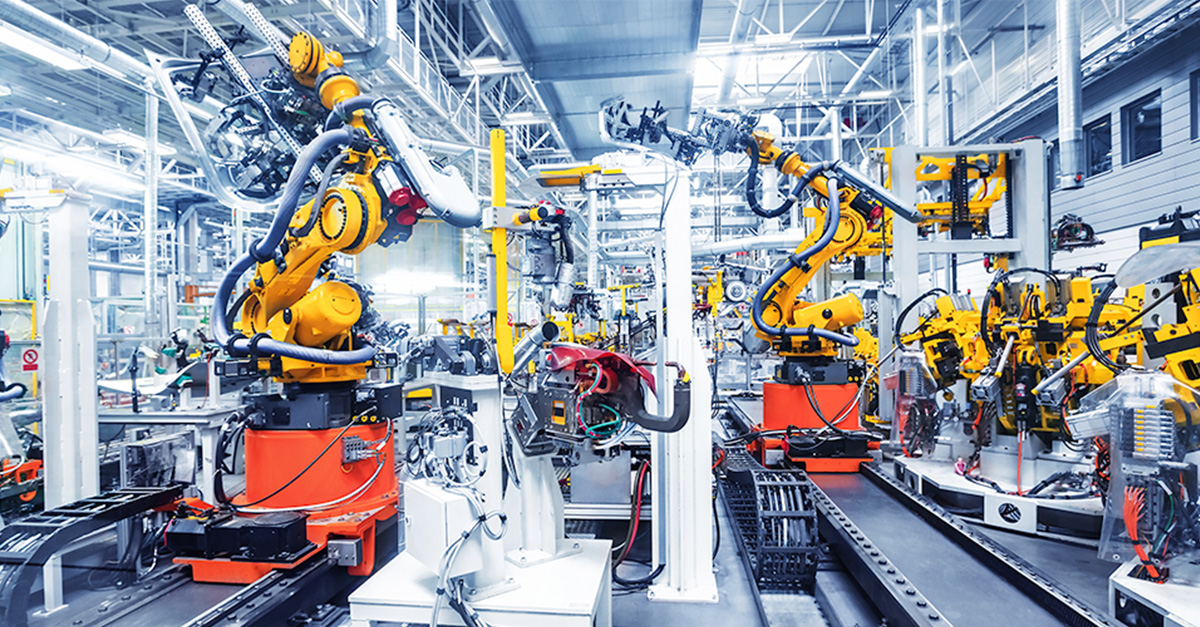
Engineered for Demanding Environments
Industrial PCB and
Interconnect Solutions
Industrial electronics must perform through vibration, extreme temperatures, heavy electrical loads, interference, and years of continuous operation. That demands rugged construction, stable signals, and disciplined thermal design.
PICA supports automation, robotics, power systems, instrumentation, smart infrastructure, aerospace, and imaging equipment with flex, rigid, assembly, and custom interconnect expertise.
Applications
Industrial Electronics Applications We Support

Factory Automation & Robotics
Vibration-resistant flex and rigid PCBs for continuous operation and complex robotic systems.
Power Electronics
Heavy-copper and thermally managed boards for high-current industrial systems.

Instrumentation & Measurement
Stable, EMI-protected circuitry for accurate laboratory, field, and production measurements.

Smart Meters & Grid Devices
Protected electronics with wide temperature tolerance and dependable long-term connectivity.

Aviation & Aerospace
Lightweight, rugged PCBs for aircraft, satellites, drones, and unmanned aerial systems.

Smart City Infrastructure
Weather-resistant, long-life electronics for traffic, monitoring, and connected urban systems.

Printing & Digital Imaging
Noise-conscious layouts and robust interconnects for years of heavy-duty operation.
Engineering Fit
Built Around Industrial Operating Demands
Our capabilities support the thermal, electrical, mechanical, and reliability requirements of advanced industrial equipment—from prototype through sustained production.

What Are Metal Core PCBs Used For? Applications, Benefits, and Industry Examples
As electronic devices become more powerful and compact, managing heat has become one of the most important challenges in product...

Highlights of Sensors Converge 2026
The future of intelligent electronics is becoming smaller, faster, smarter, and more connected — and few events showcase that transformation...

Membrane Switch: Custom Keypads for Reliable User Interfaces
Introduction
When you press the buttons on a medical device, industrial controller, or appliance, there...
Designing High Voltage PCBs: Key Layout and Material Considerations
When working with high-voltage circuits, design priorities shift. While many PCBs focus on high-speed signaling, impedance control, or...
Conductive Inks and Their Role in Flexible and Printed Electronics
As electronics continue to evolve beyond rigid, boxy enclosures, the materials and processes used to build them are changing...
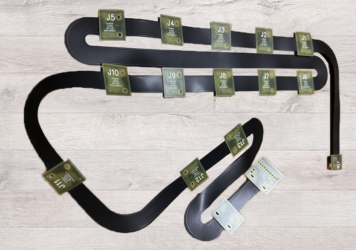
Choosing the Right Manufacturing Method for Extra-Long Flexible Circuits
FPC (Flexible Printed Circuit) manufacturing has evolved significantly, with both panel-based and roll-to-roll (RTR) processing methods widely used. Each method...
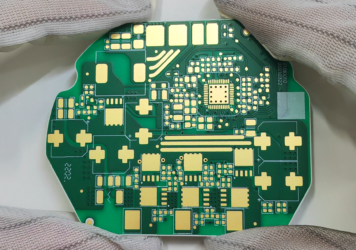
The Rise of Ceramic Substrate Printed Circuit Board
Ceramic substrate PCBs (Printed Circuit Boards) represent a significant advancement in circuit board technology, especially when compared to traditional...

Hello Dolly
I was recently visiting a client to discuss a new flex circuit application. They were trying to fit 10...