
Wearable Technology
Flexible PCBs for
Wearable Technology
Ultra-thin, reliable flex and rigid-flex solutions engineered to move, bend, and perform inside compact wearable devices.
Talk to an Engineer
Engineered to Move
Wearable PCB and
Interconnect Solutions
Wearable electronics demand more than small size. They require lightweight circuitry that can flex, conform, and perform reliably through repeated movement, heat, moisture, and daily use.
PICA combines ultra-thin flex, rigid-flex, precision routing, and responsive engineering support to help wearable product teams fit more performance into less space.
Applications
Wearable Electronics Applications
We Support

Consumer Fitness Devices
Compact, lightweight circuitry for smartwatches, fitness bands, and body sensors.

Military / Tactical Wearables
Rugged, space-efficient electronics for tracking, communications, and field operations.

Textile-Integrated Electronics
Resilient circuits for smart garments that face bending, impacts, sweat, and humidity.
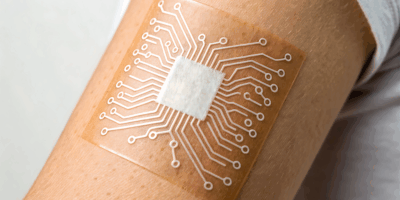
Healthcare Wearables
Power-conscious electronics for clinical trackers, posture monitors, and body-worn devices.

Sports Tech
Precision flex and rigid PCBs for biometric sensors, smart pads, helmets, and connected gear.
Engineering Fit
Built Around the Demands of Wearable Electronics
Our capabilities support the mechanical, electrical, and dimensional challenges of wearable product development—from early prototypes to sustained production.
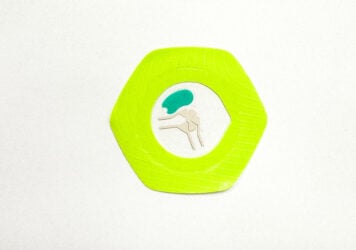
Biocompatible Substrates for Flex and Rigid PCBs
In the expanding world of medical devices, and wearables, the demand for biocompatible substrates...
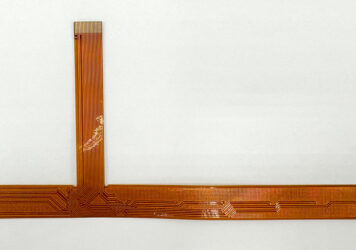
Advanced Trace Routing Techniques for Flexible PCBs: Boost Reliability and Performance
Designing a flexible PCB is not just about taking the layout practices from

Mastering Thermal Management in PCB and Flex Circuit Design
As electronic devices become more compact and powerful, managing heat effectively is critical to ensuring performance, reliability, and long product...
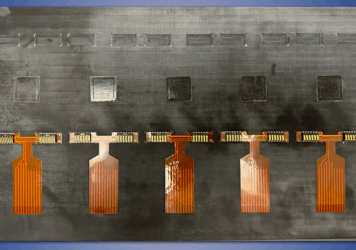
Step-by-Step Guide to the Flex Printed Circuit Board Assembly (FPCBA) Process
As electronics evolve to become thinner, lighter, and more complex, Flex Printed Circuit Boards (FPCBs) have emerged...
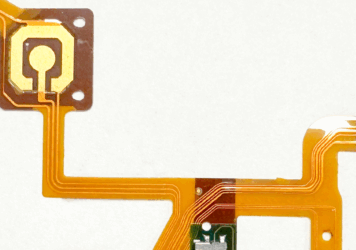
Designing for Precision: Controlled Impedance in Flexible Circuits
As electronic devices shrink and signal speeds increase, one design requirement becomes mission-critical: controlled impedance. This is...
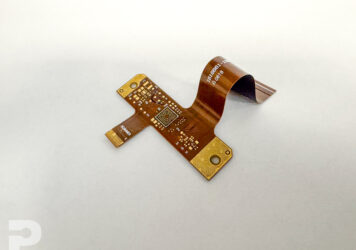
Bending Without Breaking: How Flexible Circuits Are Tested for Reliability
Flexible circuits are built to bend—but only when designed and tested to handle real-world mechanical demands. Whether...
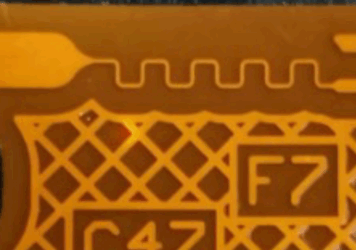
Embedding Performance: How Passive Components Are Integrated into Flexible Circuits
As electronic devices evolve to become smaller, smarter, and more power-efficient, engineers are under increasing pressure to maximize performance within...
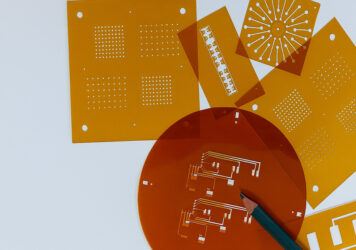
Kapton Etching in Flex Circuit Manufacturing: Processes, Materials, and Considerations
In the world of flexible electronics, polyimide films like Kapton® (a DuPont trademark) are a foundational material. Used in everything...