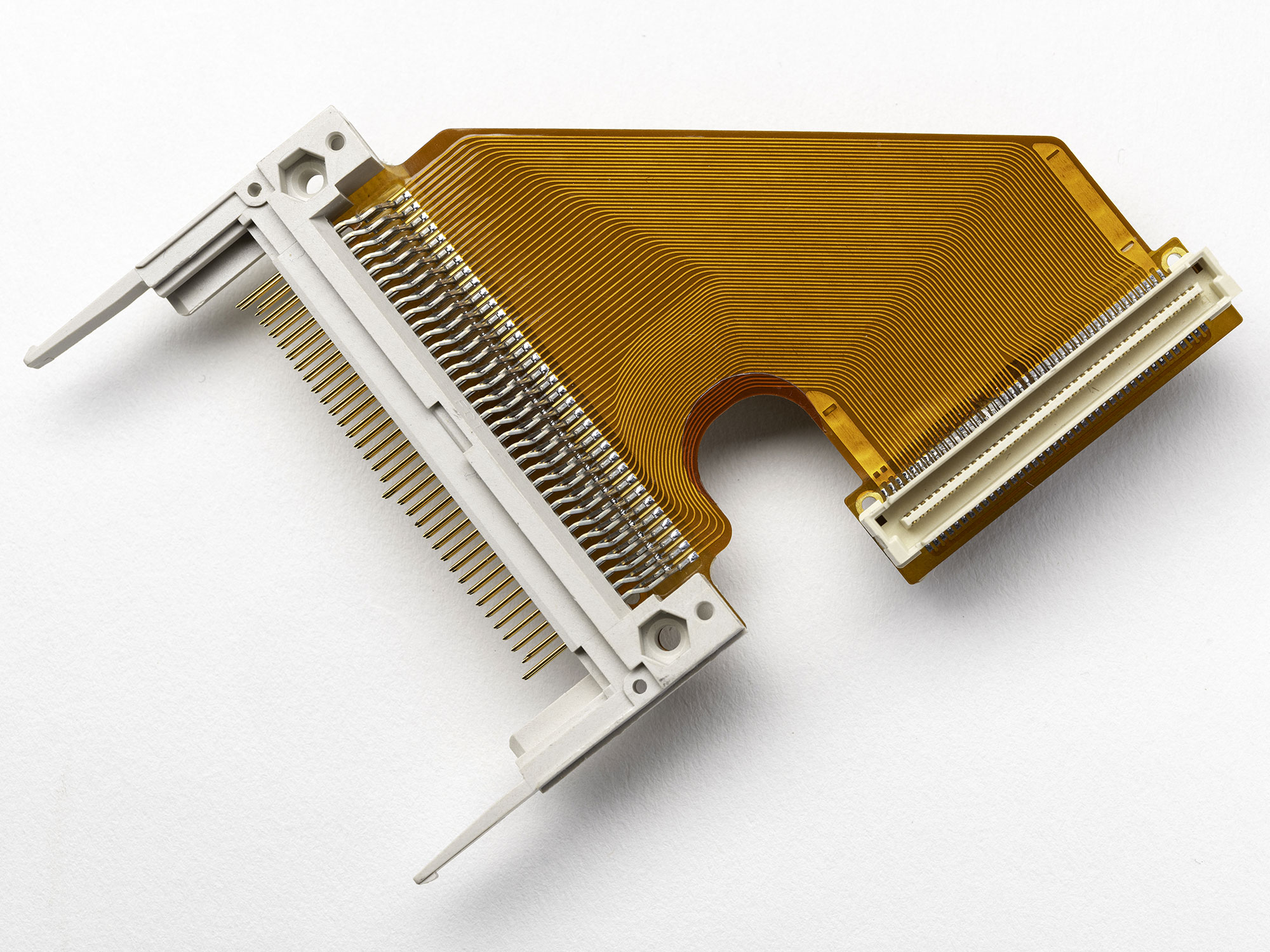
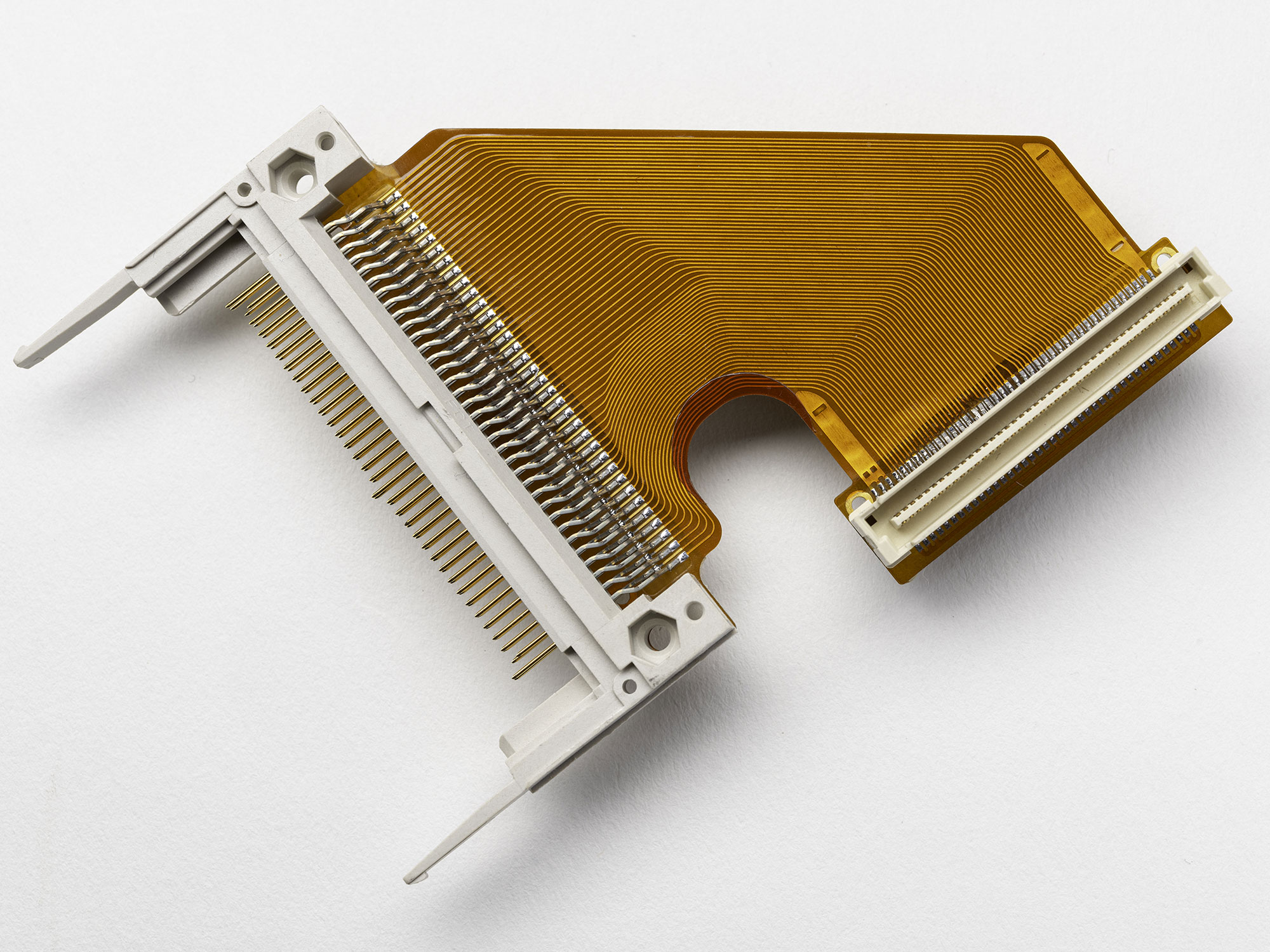

Fineline & HDI Printed Circuits
Ultra-Fine-Pitch, High-Density Circuits for Compact, High-Performance Electronics
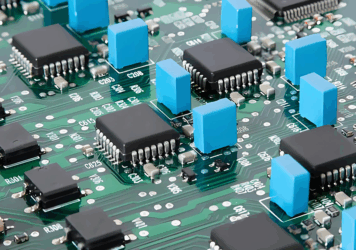
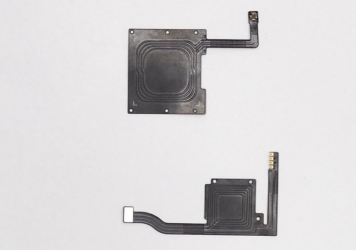
Fineline and HDI (High Density Interconnect) printed circuit boards are engineered to support miniaturization, high-speed signals, and dense component integration. PICA’s advanced PCB and flex manufacturing enables fine-line trace widths, laser micro-vias, ultra-thin dielectrics, and multi-build-up stack-ups that meet the demands of today’s wearable, RF, medical, automotive and high-frequency systems.
Why Choose Fineline / HDI Printed Circuits?
• Superior Component Density – Enables packing more I/O and functionality in a smaller footprint.
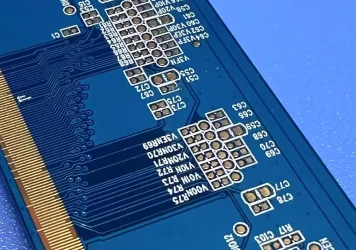
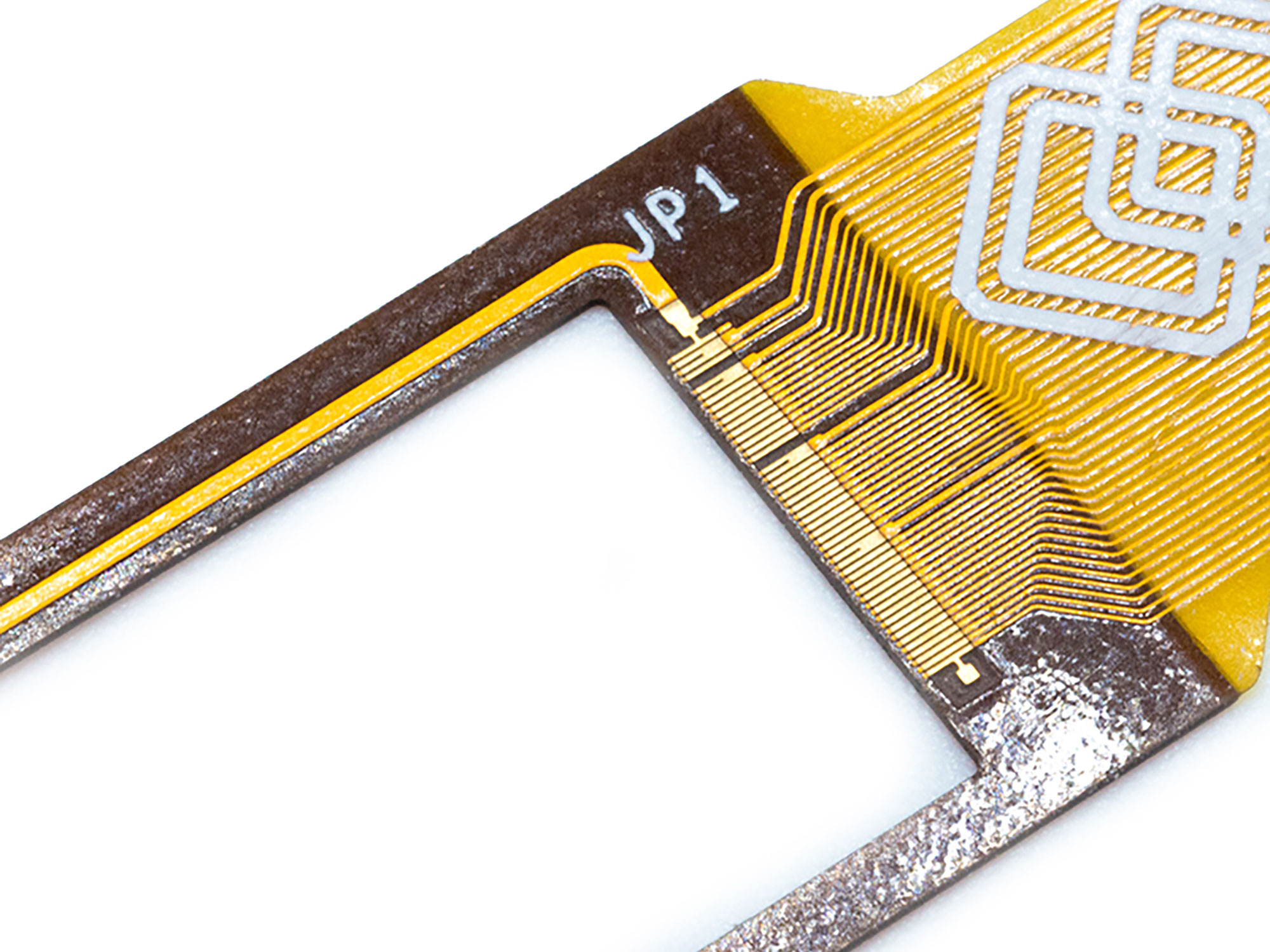
• Ultra-Fine Trace Capability – Achieve line/space down to 25–50 µm, using subtractive or mSAP/mSAP-like processing.
• Micro-Via & Via-In-Pad Support – Laser-drilled micro-vias, stacked or staggered, allow escape routing from dense BGAs and high-pin-count packages.
• High-Speed & RF-Ready Performance – Controlled impedance, ultra-thin dielectrics (as low as 12–25 µm) and low-loss materials support high-frequency and mixed-signal designs.
• Manufacturability & Reliability – Early DFM engagement, strict etching control, and 100% AOI ensure high yields in fine-line builds.
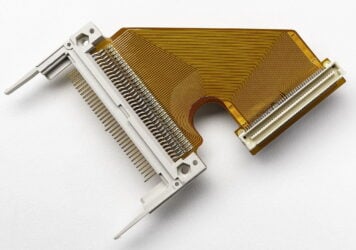
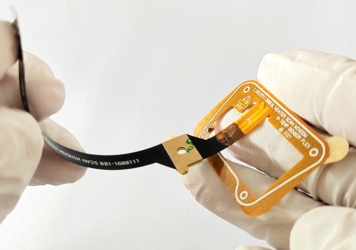
• Flex-HDI & Dynamic-Flex Options – Combine flexible arms + HDI cores or even dynamic-flex fine-line sections for moving applications.
Fineline PCB Capabilities – Highlights
• Laser Direct Imaging (LDI) for line/space ≈1 mil (≈25 µm) in rigid, flex, and rigid-flex builds.
• Ultra-Thin Copper options including rolled-annealed (RA) and thin electrolytic foils for improved fine-line routing and bend reliability.
• Multi-build-up HDI stack-ups such as 1+N+1, 2+N+2, and flex HDI buildup structures.
• Blind, buried, stacked and staggered micro-vias ≤ 0.15 mm with copper fill and via-in-pad options.
• Modified Semi-Additive Process (mSAP / mSAP-like) for <50 µm fine-line routing and controlled sidewall geometry.
• Thin dielectric materials (down to ~12–25 µm) for impedance targets, RF performance, and compact trace separation.
• Integrated rigid-flex HDI, dynamic flex + fine-line hybrid designs, and thin-core options for harsh environments.
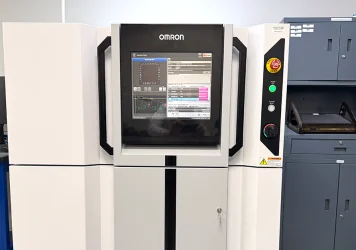
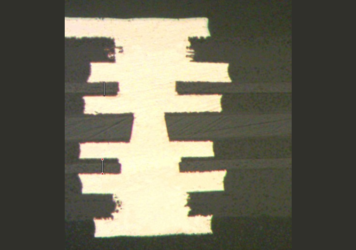
• Inspection & Quality Assurance: AOI, X-Ray, flying probe, impedance verification, and micro-section analysis.
• Engineering Support: early layout review, stack-up optimization, micro-via strategy, reliability modeling, and material selection.
For technical information on PICA’s Fineline Flex PCB capabilities, click the button below.
Global Design & Manufacturing Support
With engineering teams in the U.S. and manufacturing in Malaysia, PICA supports prototypes through scaled production. We collaborate early to optimize stack-ups, choose low-loss materials, refine micro-via strategy, tune line/space limitations, and control impedance from Day 1. This prevents cost overruns, improves yield, and accelerates time-to-market for high-density builds.
Benefits of Fineline / HDI Circuits
High-Density Designs
Fineline/HDI builds enable greater routing density and component placement in smaller form factors—ideal for compact RF, sensor, and high-speed modules.
Enhanced Signal Integrity
Ultra-thin dielectrics, tight trace spacing, and precise etching improve impedance accuracy, reduce skew, and maintain low-loss transmission paths.
Miniaturization-Ready
Sub-50 µm traces and stacked micro-vias enable smaller boards, more features, and lighter assemblies without sacrificing reliability.
Manufacturing Efficiency
Controlled etching, LDI, copper fill via-in-pad, and automated inspection deliver high first-pass yield and minimized scrap—reducing total cost.
Dual-Flexibility
HDI isn’t limited to rigid boards. PICA supports rigid-flex HDI and dynamic-flex fine-line builds, enabling motion + density in one circuit.
Markets We Serve with Fineline / HDI Circuits
Mobile & Wearable Devices
Foldables, compact wearables and IoT modules rely on ultra-dense PCB real-estate and precision interconnects—ideal for HDI and flex HDI.
Medical Devices
Miniaturized sensors, implantables, and micro-assemblies demand ultra-fine routing, controlled impedance, and high-reliability micro-vias.
Automotive & Transportation
ADAS modules, radar systems and harsh-environment controls benefit from fine-line HDI that withstands vibration and thermal stress.
Telecommunications & 5G Infrastructure
RF modules, mmWave antenna arrays, and interposers require ultra-thin dielectrics, fine-line routing and stable impedance control.
Industrial & Defense Electronics
Rugged systems in UAVs, aerospace, and high-density sensor modules rely on fine-line durability, reliability, and extreme miniaturization.
The blogs featured below expand on this page’s content, offering detailed insights into specific design, manufacturing, and application topics that provide added relevance and deeper context for engineers and decision-makers.
What Is Dynamic Flex PCB? Designing Flexible Circuits for Continuous Motion
Dynamic flex PCBs are where flexible circuit design stops being “just about fitting in tight spaces” and...
SATELLITE 2026: Featured Innovators Driving the Future of Space and Connectivity
SATELLITE 2026 brought the global satellite, space, defense, and communications industries to Washington, D.C....
Hole Riveting in Electronics: Reinforcing Connections in Circuit Assemblies
As electronic assemblies become more compact and mechanically complex, manufacturers must ensure that electrical connections remain secure under vibration, handling,...
PCB, Flex & PCBA Cost Pressures in 2026: What OEMs Need to Watch
Electronics manufacturing is heading into 2026 under pressure from several directions at once. Rising metals costs, laminate and prepreg repricing,...
Integrated Flex Circuits and Injection Molding for Electronic Devices
At PICA Manufacturing Solutions, we believe the future of electronics is not built component by component, it is engineered as...
How Flex PCBs Are Shielded for EMI and RFI Protection
Electromagnetic interference (EMI) and radio frequency interference (RFI) can disrupt signal quality, create data errors, and reduce...
Nickel Tab Mounting on Flex Circuits: Strengthening Electrical and Mechanical Connections
Flexible circuits are often chosen for their ability to route signals through tight spaces while tolerating bending...
Material Selection Framework for Flex PCBs
A practical step-by-step method for choosing materials that hold up in bending, assembly, and real environmentsFlex material...