
Communications
PCBs for
Communications
and RF Electronics
High-performance PCB and interconnect solutions engineered for signal integrity, speed, and reliable connectivity.
Talk to an Engineer
Engineered to Keep the World Connected
Communications PCB and
Interconnect Solutions
Communications equipment must move data cleanly at speed while managing heat, interference, and increasingly compact form factors. That requires precise impedance, dependable interconnects, and consistent manufacturing.
PICA supports optical networking, telecom infrastructure, satellite systems, conferencing hardware, and broadband equipment with flex, rigid, assembly, and custom interconnect expertise.
Applications
Communications Applications
We Support

Optical Networking Equipment
Boards for transceivers and related components engineered to reduce reflections and crosstalk.

Telecom Infrastructure
Flex and rigid PCBs with precise impedance control for 5G and broadband systems.

Satellite & RF Systems
High-performance electronics with thermal management for high-power RF environments.

Audio/Video Conferencing
Reliable flex and rigid PCB solutions for continuous, high-demand conferencing hardware.

Consumer & SMB Networking
High-frequency PCB solutions for modems, Wi-Fi gateways, routers, and extenders.
Engineering Fit
Built Around High-Speed Signal Demands
Our capabilities support the signal integrity, thermal, dimensional, and reliability requirements of advanced communications equipment—from prototype through sustained production.

When Is Impedance Control Required in Flex and Rigid PCB Design?
When Is Impedance Control Required in Flex and Rigid PCB Design?
As electronic systems become faster, smaller, and more...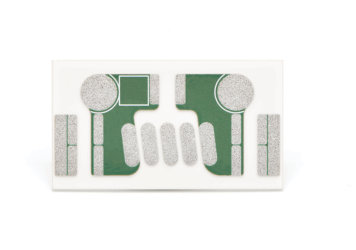
Compact Power, Cooler Systems: The Case for Ceramic PCBs in Modern Electronics
Modern electronics are expected to run hotter, switch faster, and survive harsher environments than ever. Standard FR-4 hits its limits...
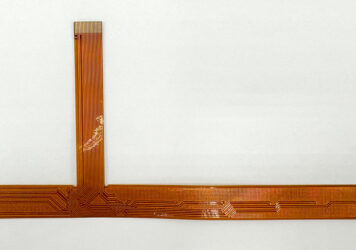
Advanced Trace Routing Techniques for Flexible PCBs: Boost Reliability and Performance
Designing a flexible PCB is not just about taking the layout practices from
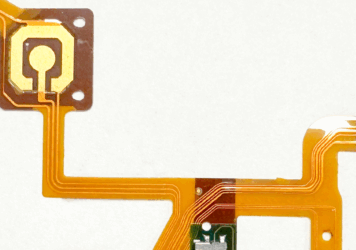
Designing for Precision: Controlled Impedance in Flexible Circuits
As electronic devices shrink and signal speeds increase, one design requirement becomes mission-critical: controlled impedance. This is...
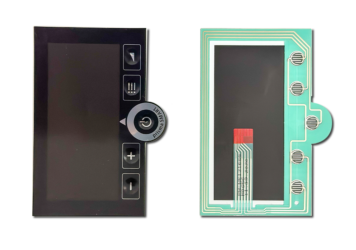
Conductive Inks and Their Role in Flexible and Printed Electronics
As electronics continue to evolve beyond rigid, boxy enclosures, the materials and processes used to build them are changing...
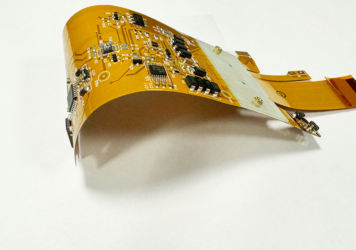
Optimizing Design for Flexible Circuits: Best Practices and Considerations
Flexible circuits are essential in today’s compact, lightweight devices—thanks to their ability to bend, twist, and conform to tight...

High-Frequency Signal Insertion Loss
This blog is the introduction to a white paper called Introduction to High Frequency Signal Insertion Loss. Click the button...
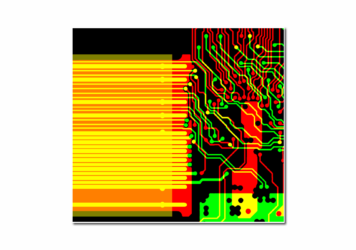
What is Differential Impedance?
In the fast-paced realm of the PCB (Printed Circuit Board) industry, achieving optimal signal integrity is crucial for the...