
Payment & Identity
PCBs and Electronic
Assemblies for Payment
& Identity Devices
Secure, compact electronics engineered for fast authentication, reliable transactions, and long-term performance.
Talk to an Engineer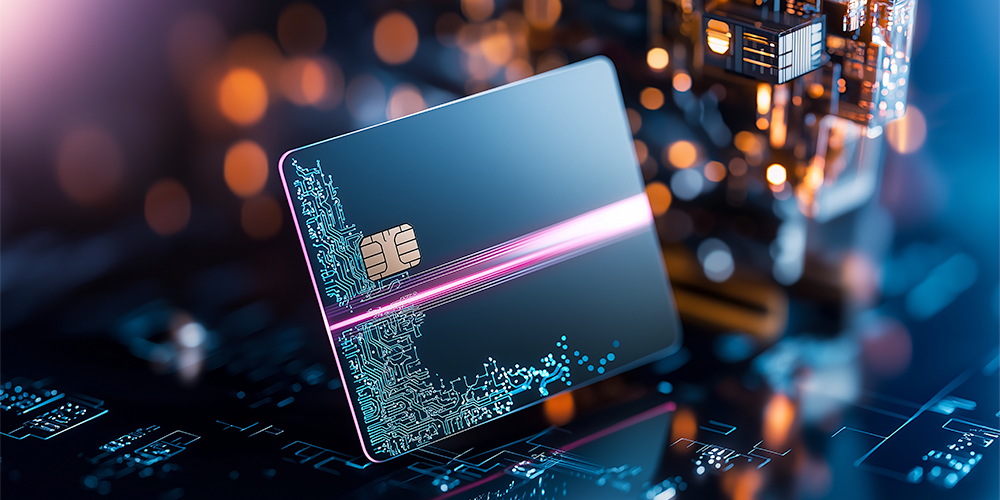
Engineered for Trusted Transactions
Payment and Identity
Electronics Solutions
Payment and identity devices must protect sensitive information while delivering fast, seamless experiences. That requires compact electronics with reliable connectivity, precise routing, and hardware-level security support.
PICA combines flex, rigid-flex, advanced PCB fabrication, and assembly expertise to help product teams build secure devices without sacrificing size, speed, or durability.
Applications
Payment and Identity Applications
We Support

Biometric Payment Devices
Compact electronics for fingerprint readers, iris scanners, and protected identity verification.

NFC/RFID Cards & Readers
Reliable electronics for payments, transport access, and secure identification.

Mobile Payment Hardware
Flex and rigid PCBs for tap-to-pay terminals, readers, and connected payment modules.

Government ID Solutions
Durable embedded electronics for ePassports, licenses, and national identity systems.

Wearable Payments
Miniaturized secure modules for rings, wristbands, watches, and payment patches.
Engineering Fit
Built Around the Demands of Secure Electronics
Our capabilities support the security, connectivity, dimensional, and durability requirements of payment and identity products—from prototype through sustained production.

Highlights of Sensors Converge 2026
The future of intelligent electronics is becoming smaller, faster, smarter, and more connected — and few events showcase that transformation...

Membrane Switch: Custom Keypads for Reliable User Interfaces
Introduction
When you press the buttons on a medical device, industrial controller, or appliance, there...
Hole Riveting in Electronics: Reinforcing Connections in Circuit Assemblies
As electronic assemblies become more compact and mechanically complex, manufacturers must ensure that electrical connections remain secure under vibration, handling,...

CES 2026 Highlights: The Breakthrough Technologies Powered by Advanced Flex & PCB Design
Las Vegas, January 2026 — CES 2026 once again confirmed that the pace of innovation in consumer tech, mobility,...
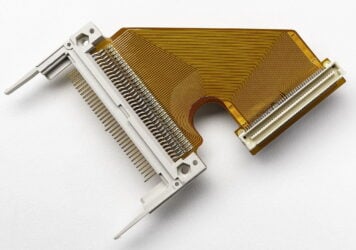
Designing for HDI PCB and Fine-Line Etching: What You Need to Know
As devices shrink and performance demands grow, engineers are turning to High-Density Interconnect (HDI) technology to pack...
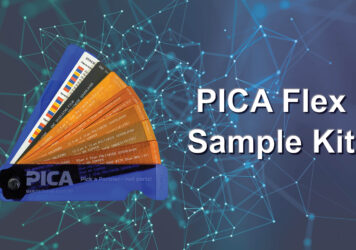
Explore the Possibilities of Flexible Circuit Design with the PICA Flex Sample Kit
Designing flexible circuits isn’t just about choosing the right materials, it’s about understanding how all the pieces come together under...
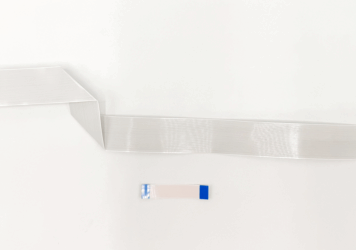
What Are Flat Flexible Cables? FFC Design, Applications, and Interconnect Benefits
For engineers balancing performance, flexibility, and cost, Flat Flexible Cables (FFC) remain one of the most efficient...
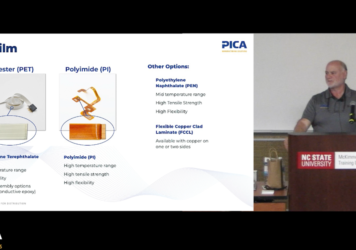
Driving Innovation in PCB Manufacturing: Insights from PCB Carolina 2024
PCB Carolina 2024 brought together industry leaders to explore advancements in PCB design and manufacturing. Joe DiPalermo, our Director of...