

Roll to Roll Process

R2R (Reel to Reel Processing)

Roll to Roll Process

CONTACT AN ENGINEER Customer service

Roll-to-Roll (R2R) Process for Flexible Printed Circuits

Continuous, High-Throughput Flex Circuit Manufacturing for High-Volume Applications

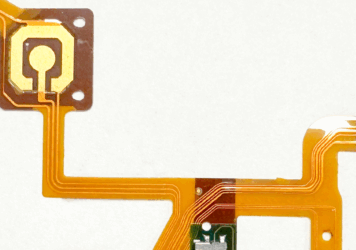
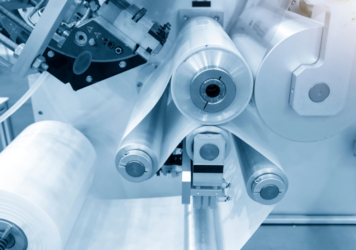
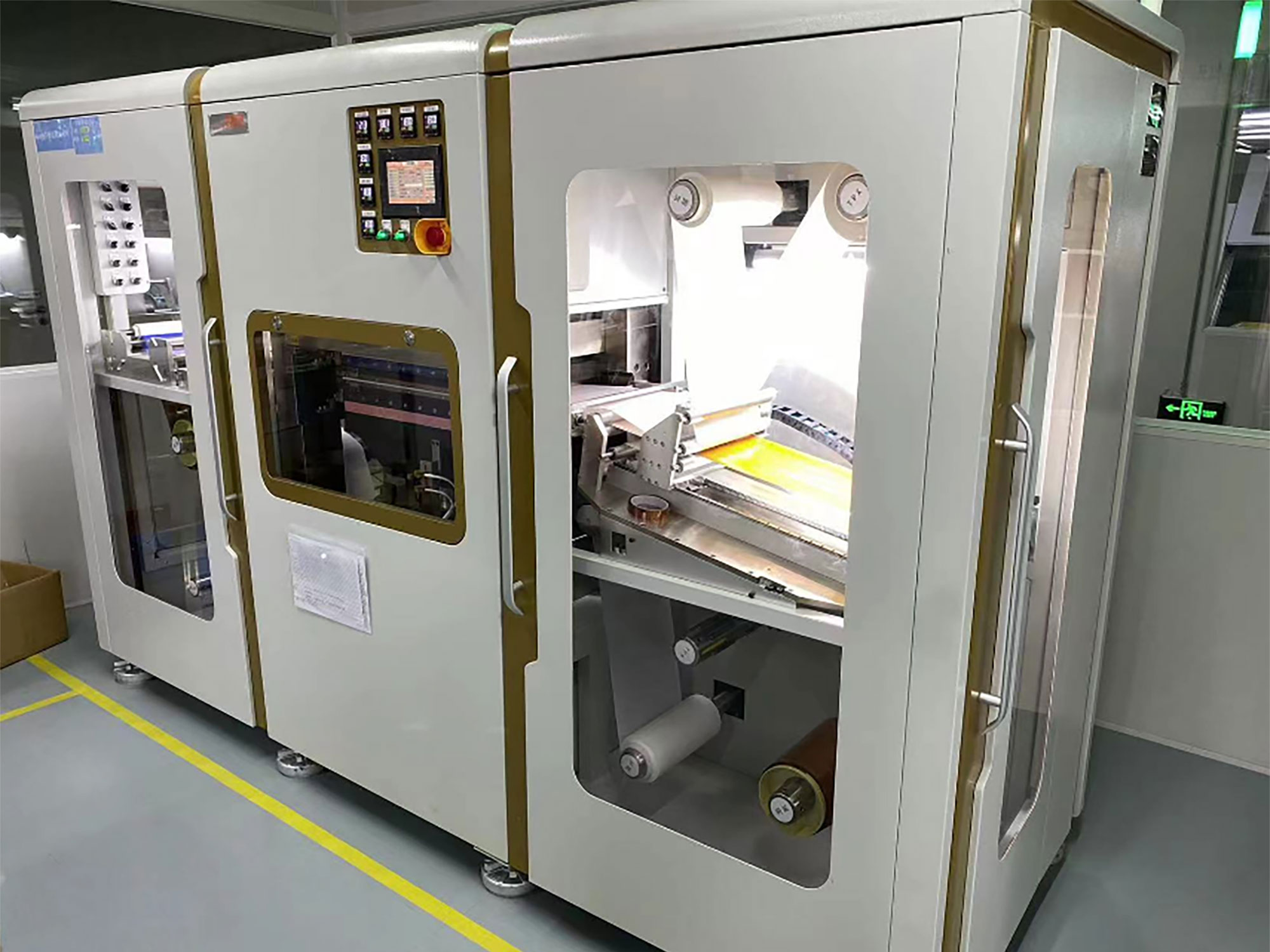
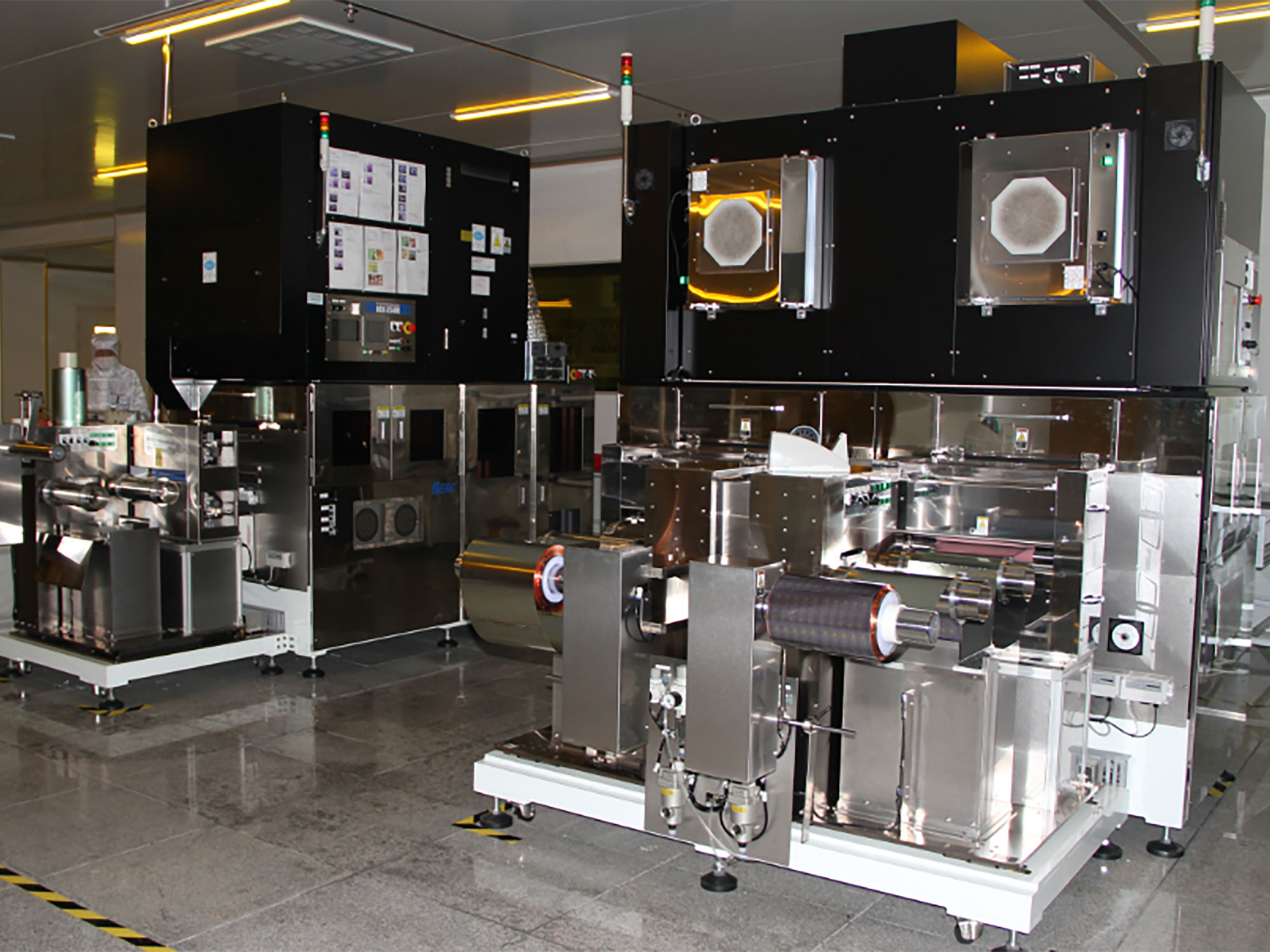
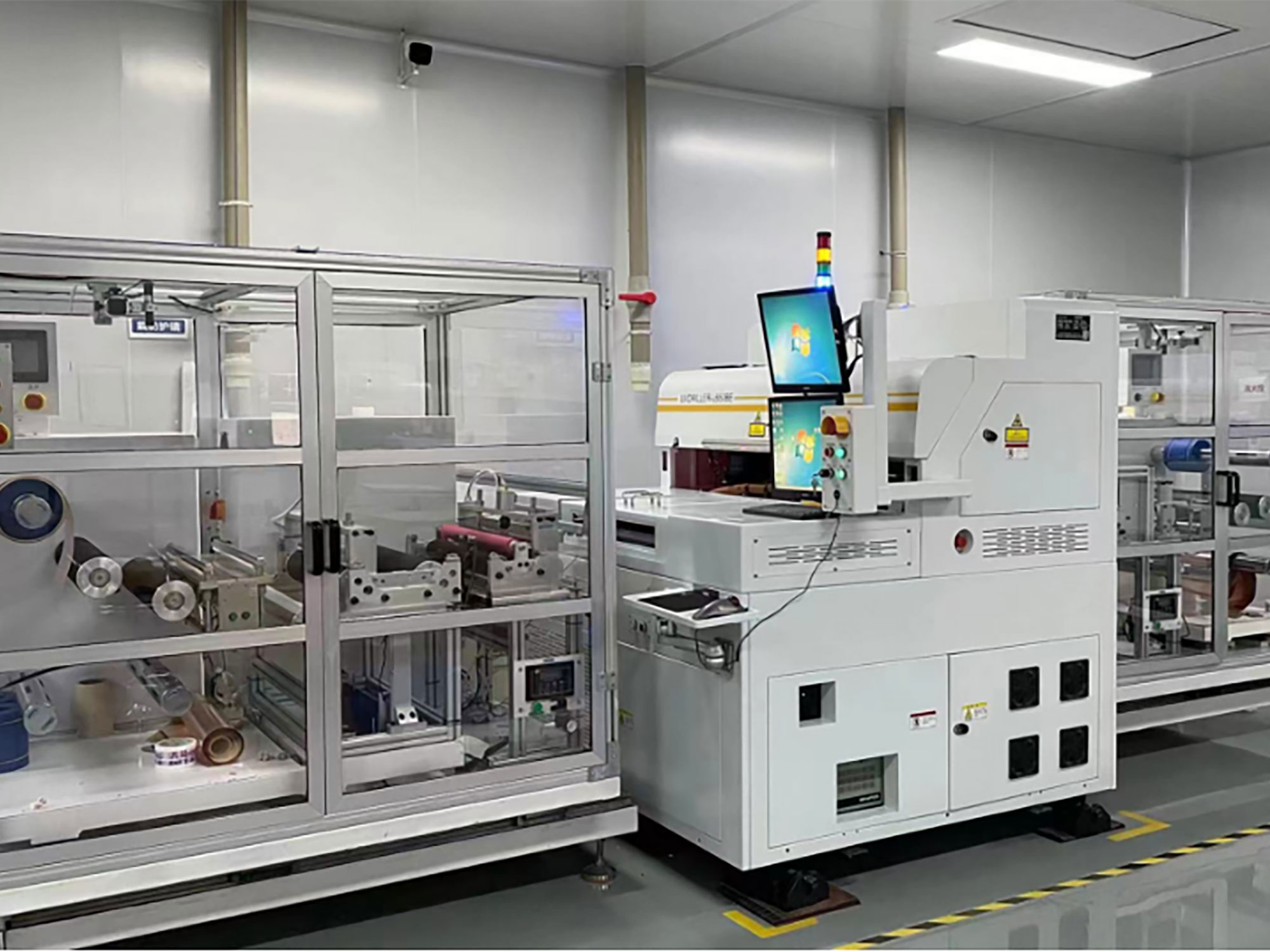
The roll-to-roll (R2R) process enables flexible circuits to be manufactured in a continuous web format, delivering outstanding throughput, quality and cost-efficiency. PICA’s R2R technology supports long-length, high-volume production of flexible PCBs, wearables, sensor ribbons, and printed electronics with tight tolerances and reliability.

Why Choose Roll-to-Roll (R2R) Process?

  • High Production Throughput & Scalability – Continuous unwinding, processing and rewinding eliminates the start-/stop of panel processing and enables higher volume output.

  • Lower Cost Per Unit for Flexible Circuits – Web-based processing reduces waste and handling, lowering manufacturing cost for large-volume runs.

  • Exceptional Uniformity & Precision – Tight web tension control, alignment guides and continuous flow maintain high dimensional and process consistency.

  • Ideal for Length, Flexibility & Compact Form-Factors – Enables long runs of flexible circuits (ribbon, roll, tape) with minimal seams, less interconnect complexity.

  • Optimized for Modern Applications – Wearables, IoT ribbons, medical sensors, large-area flexible electronics benefit from R2R’s continuous nature.

Roll-to-Roll (R2R) Capabilities – Highlights

  • Web processing for flex circuits: imaging, plating, etching, drilling and finishing conducted while substrate remains on roll.
  • Tight process controls: web tension, alignment guides, unwind/rewind speed control, profile flatness.
  • Fine-line routing and substrate usage compatible with long web formats; support for tape-&-reel or singulated output from roll form.
  • Engineering support for roll-to-roll vs panel trade-offs, substrate selection, handling of long runs, and volume manufacturability.

Global Design & Manufacturing Support

PICA provides end-to-end support for roll-to-roll flexible circuit programs — from early design consultation and stack-up definition, through pilot R2R runs and high-volume production. Our global footprint ensures scalable supply, continuous process control, and full traceability for roll-based flexible circuit manufacturing.

Benefits of Roll-to-Roll Process

Continuous Flow = Higher Output
By eliminating discrete panel transitions, R2R processes boost throughput and make high-volume flexible circuit builds cost-effective.

Consistent Quality Across the Web
Continuous motion and advanced tension/alignment controls ensure each unit from the roll meets the same high standard.

Simplified, Streamlined Interconnects
Roll-based flex circuits reduce the need for segmentation, joining or wiring harnesses — simplifying assembly and improving reliability.

Cost-Efficient for High Volumes
Web-based production reduces waste, handling and cycle time — delivering lower cost per unit when scale matters.

Design Flexibility for Modern Products
R2R supports long-run, high-density, flexible circuits in wearable, medical, industrial and IoT systems with tight form factors and high production volumes.

Markets We Serve with Roll-to-Roll Process

Wearables & IoT Devices
Production of ultra-thin, flexible ribbons and interconnects that need continuous manufacture and high volume.

Medical & Diagnostic Equipment
Long-length sensor ribbons, disposable flex strips, high-volume assemblies benefit from roll manufacturing.

Consumer Electronics & Flexible Displays
Flexible display ribbons, rollable modules, large-area flexible circuits suit R2R format.

Industrial & Automation Systems
Flexible sensor arrays, ribbon cabling, conveyor‐mounted electronics where length, flexibility and volume matter.

Embedded & Printed Electronics
Emerging printed-electronics applications (flex sensors, IoT ribbons, smart packaging) leverage R2R for cost-effective scaling.

The blogs featured below expand on this page’s content, offering detailed insights into specific design, manufacturing, and application topics that provide added relevance and deeper context for engineers and decision-makers.

Collage of pictures for PICA Manufacturing Annual Summit

PICA 2026 Annual Summit

PICA Annual Summit 2026: Aligning Around Our Customers

Organized by VP of Sales & Marketing Pascal Delloue,...

Compact medical diagnostic device with tubing and catheter on a clean laboratory table.

ISO 13485 Flexible PCB Manufacturing for Medical Devices

Medical devices are becoming smaller, smarter, and more connected, creating greater demand for compact electronics that can...

PICA Manufacturing Solutions Salem NH Team Photo 2026

PICA New Global HQ in Salem, NH

PICA Expands with New Headquarters in Salem, New Hampshire

PICA Manufacturing Solutions is pleased to announce the...

point of care medical device

Flex PCB Design Considerations for Point‑of‑Care Medical Devices

Point‑of‑care (POC) medical devices are designed to deliver diagnostics and monitoring directly at the patient’s location rather...

Space Tech Expo USA 2026 event graphic over a nighttime city skyline, highlighting Anaheim, California, USA, June 2–4, 2026.

Highlights from Space Tech Expo USA 2026

Space Tech Expo USA 2026 brought together a wide range of companies working across satellites, launch systems, defense space...

Metal core PCB applications in street lighting, automotive lamps, plant grow lights, new energy vehicle electronics, stage lighting, and industrial equipment

What Are Metal Core PCBs Used For? Applications, Benefits, and Industry Examples

As electronic devices become more powerful and compact, managing heat has become one of the most important challenges in product...

Kevin Morrisette PICA Derry, NH GM

New PICA Derry, NH General Manager

PICA welcomes a new team member Kevin Morrisette as our new General Manager of the Derry facility. Kevin brings more than...

Flexible and rigid-flex printed circuit boards used in advanced electronics manufacturing.

Rigid-Flex PCB vs. Flex PCB with a Rigidizer: Benefits, Differences, Costs, and Best-Fit Applications

When engineers need a circuit that can bend, fit into tight spaces, or replace bulky wire harnesses,...