

Extra-long Flex Printed Circuits (FPC)

Extra-long FPC (Flex Printed Circuits/ Printed Circuit Boards)

Extra-long Flex Printed Circuits (FPC)

CONTACT AN ENGINEER Customer service

Extra-Long Flex Printed Circuits (FPC) for High-Reach Applications

Flexible Printed Circuits Engineered for Length, Precision & High-Performance

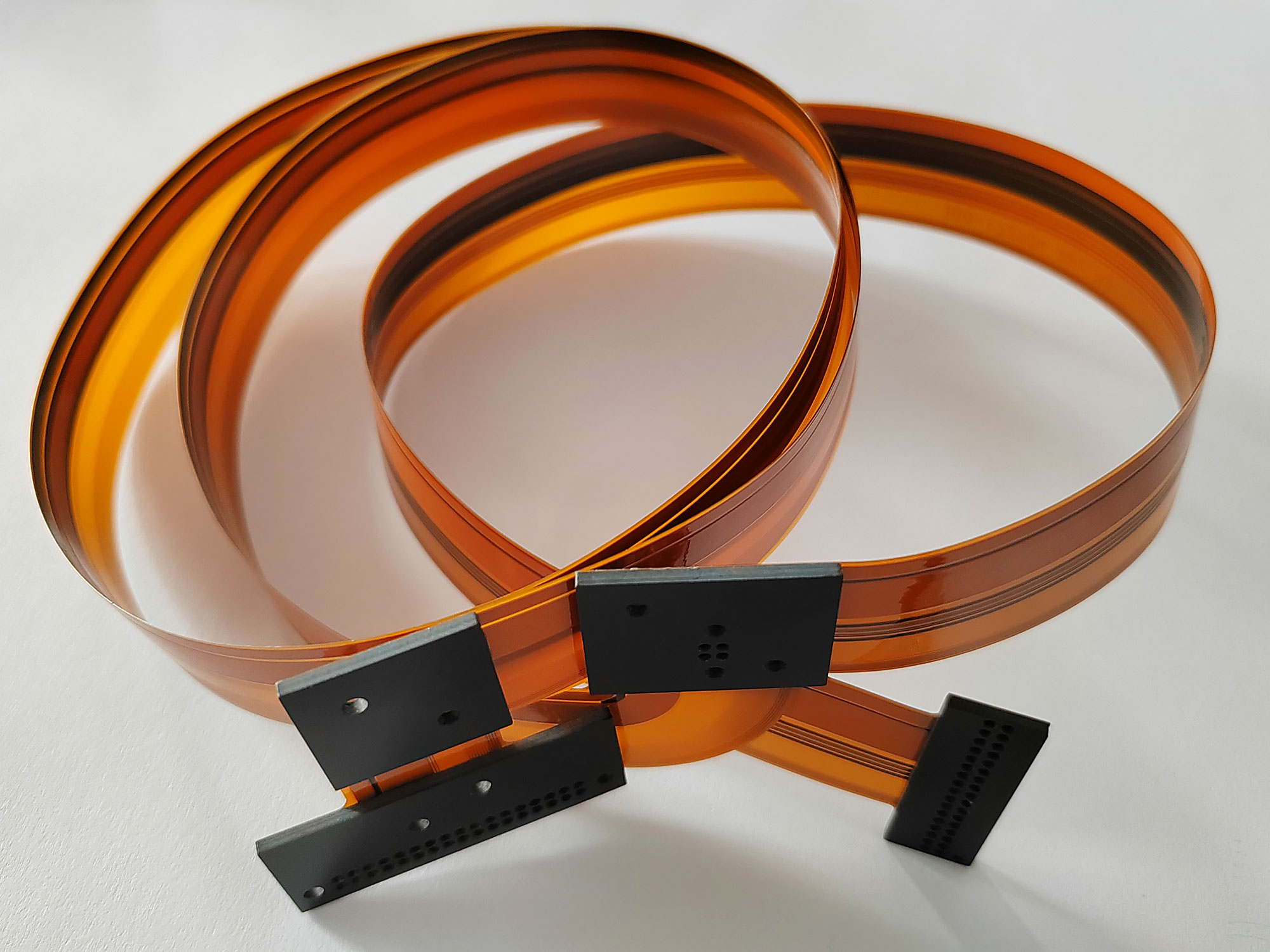
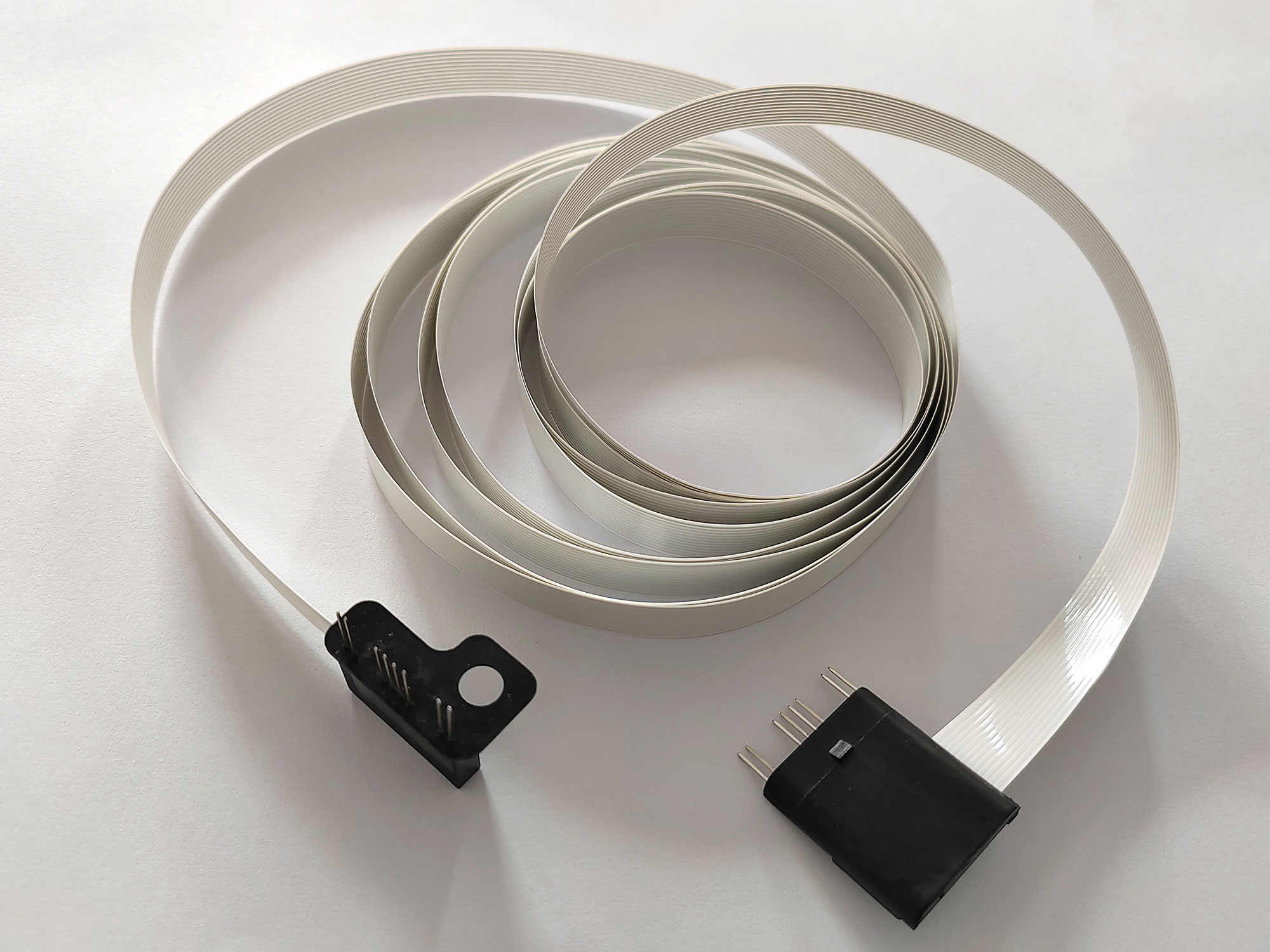
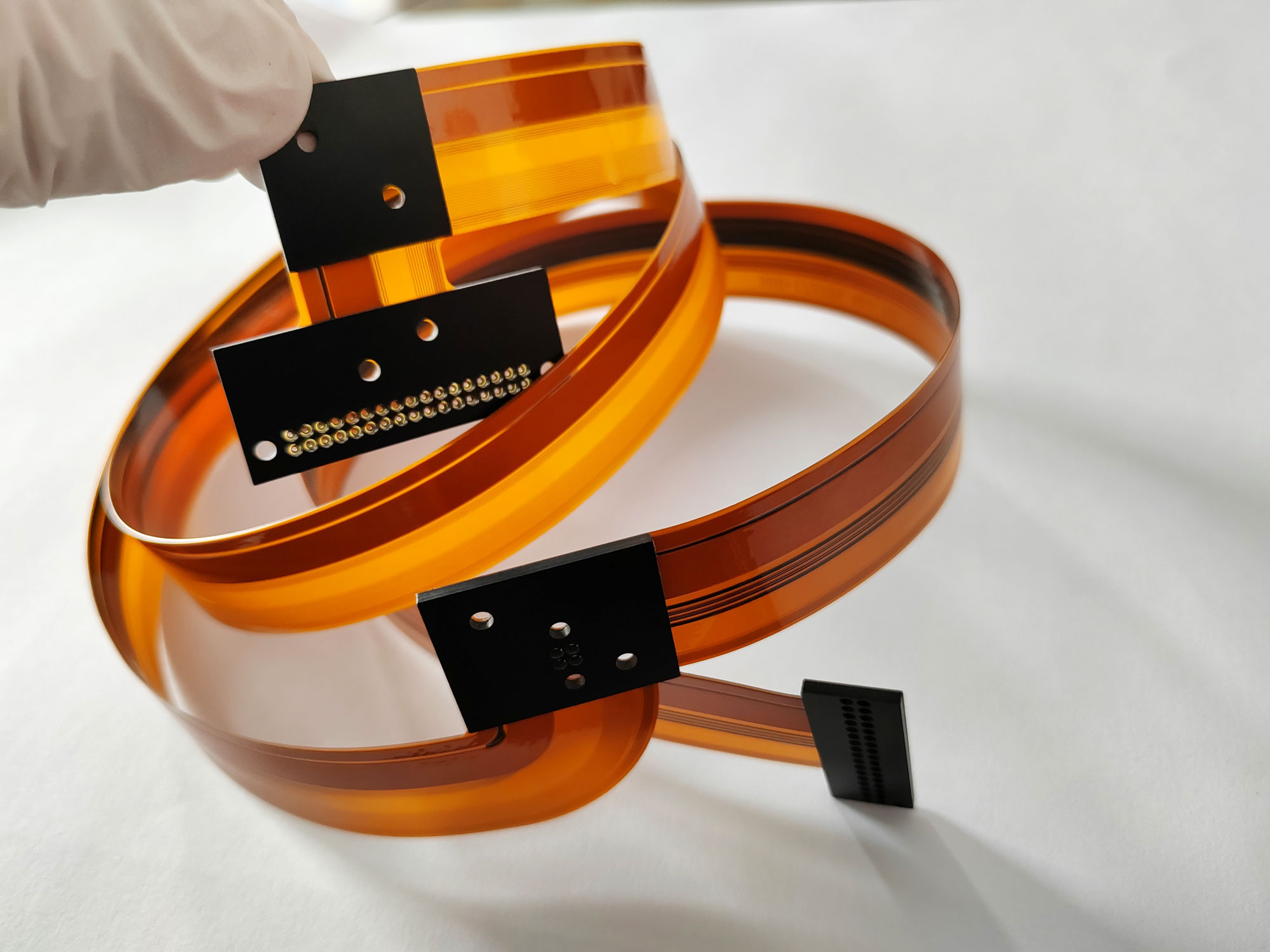
When your design demands a flex circuit that spans meters in length instead of inches, standard FPC suppliers won’t cut it. PICA specializes in extra-long flexible printed circuits — up to 3,000 mm (118 in) — with top tier dimensional accuracy, flatness, minimal shrinkage and tailored process methods (panel-based or roll-to-roll).

Why Choose Extra-Long Flex Printed Circuits?

  • Exceptional Length Capability – Supports spans up to 3,000 mm (118 in) for genomics, automation, medical imaging, security scanning and more.

  • Dimensional Precision & Flatness – Tight tolerances on thickness (min 0.13 mm, tolerance ±0.03 mm), alignment (±0.1 mm) and profile (±1 mm to ±5 mm depending on length).

  • Manufacturing Flexibility – Both panel-based and roll-to-roll (RTR) processing paths allow optimization for multi-layer precision or high-volume run lengths.

  • Support for Demanding Use Cases – Ideal for applications where the flex circuit spans long distances, integrates with moving parts, or eliminates multiple connectors/harnesses.

  • Engineering-Driven DFM & Manufacturability – Early collaboration to manage stiffeners (SUS), finger-designs, backing, tolerance build-up and shrinkage issues for extra-long formats.

Extra-Long Flex Printed Circuits Capabilities – Highlights

  • Lengths up to 3,000 mm (118 inches).

  • Standard widths of 250 mm and 500 mm, thickness down to 0.13 mm (± 0.03 mm).

  • Alignment tolerance of ±0.1 mm, profile tolerance between ±1 mm to ±5 mm depending on length.

  • Two primary manufacturing methods:
      •  Panel-Based Processing — precision multi-layer, tighter tolerances.
        Roll-to-Roll (RTR) Processing — high-volume single- or double-layer flexible circuits.

  • Design guidance for extra-long builds: use of SUS stiffeners for dimensional stability; stiffener edges placed ≥ 0.5 mm from critical features; finger-designs with solid or no copper-backing; tapered / recessed plug-and-pull fingers by 0.2 mm.

  • Ideal for medical, automation, security surveillance, wearables and industrial systems requiring long interconnect spans and high-flex reliability.

Global Design & Manufacturing Support

PICA partners with your engineers early to define stack-ups, tolerances, stiffeners and shrink-control strategies for extra-long flex circuits. We guide process selection (panel or roll-to-roll), support prototyping through volume builds, and ensure manufacturable, stable results across extreme lengths.

Benefits of Extra-Long Flex Printed Circuits

Extendable Reach
Long-span flex circuits eliminate multiple connectors and harnesses by providing a continuous circuit from point A to B — reducing assembly complexity and failure points.

Precision Across Length
Tight control of thickness, alignment and profile means a board that remains flat, reliable and dimensionally sound even at extreme lengths.

Volume-Optimised Manufacturing
With both panel and RTR methods, you can select the most cost-effective, high-throughput approach for your length, layer and volume requirements.

Reliability in Challenging Use Cases
Whether in medical imaging gantries, onboard security scanners, long-reach robotics or wearable/industrial systems, certified extra-long flex circuits stand up to real-world stresses.

Design Freedom & Product Simplification
Long flex circuits free you from mini-harnessing, allow creative form factors, reduce interconnect transitions and simplify your bill-of-materials (BOM).

Markets We Serve with Extra-Long Flex Printed Circuits

Industrial Automation & Robotics
Deploying long-reach sensors, scanning arms, conveyor systems and robotic modules benefits from extra-long, single-piece flex circuits instead of complex wire bundles.

Medical Imaging & Diagnostics
Ultrasound probes, imaging tables, long-span patient monitors, diagnostics equipment — require precise, long flex paths with tight flatness and minimal shrinkage.

Security, Surveillance & Scanning Systems
X-ray tunnels, body scanners, baggage inspection, surveillance systems employ flex circuits that span the entire device, in ultra-long formats with high reliability.

Wearables, Transportation & Mobile Systems
Flexible assemblies in vehicles, e-mobility, large-format displays or foldable platforms that need extended flex lengths and efficient interconnects.

Consumer/Display & Large-Format Electronics
Displays, foldables, large span interconnects (e.g., rollable displays, extended sensor arrays) require flex circuits built for length, flatness and precision.

The blogs featured below expand on this page’s content, offering detailed insights into specific design, manufacturing, and application topics that provide added relevance and deeper context for engineers and decision-makers.

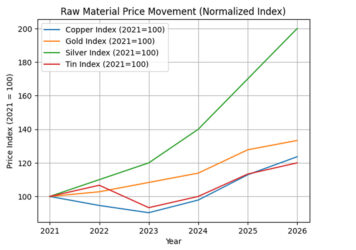
PCB, Flex & PCBA Cost Pressures in 2026: What OEMs Need to Watch

Electronics manufacturing is heading into 2026 under pressure from several directions at once. Rising metals costs, laminate and prepreg repricing,...
Flexible circuitry with a molded end cap coiled up

Integrated Flex Circuits and Injection Molding for Electronic Devices

At PICA Manufacturing Solutions, we believe the future of electronics is not built component by component, it is engineered as...

Small flex circuit with black EMI shielding

How Flex PCBs Are Shielded for EMI and RFI Protection

Electromagnetic interference (EMI) and radio frequency interference (RFI) can disrupt signal quality, create data errors, and reduce...
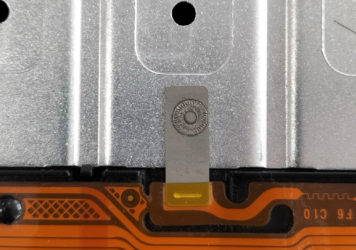
Nickel Tab Mounting

Nickel Tab Mounting on Flex Circuits: Strengthening Electrical and Mechanical Connections

Flexible circuits are often chosen for their ability to route signals through tight spaces while tolerating bending...

Material Selection Framework for Flex PCBs

A practical step-by-step method for choosing materials that hold up in bending, assembly, and real environmentsFlex material...
Small rectangular piece of flex circuitry with silver traces

Alternatives to Copper in Flexible Circuits

Copper has been the backbone of flexible printed circuits (FPCs) for decades, and for good reasons. While...
Small piece of S shape polyimide Flex with EMI shielding

Auxiliary Materials in Flex PCB Builds

Stiffener, EMI Shielding, Release liners, spacers, marking inks, thermally conductive adhesive films, and PSA selection guidance.When engineers...
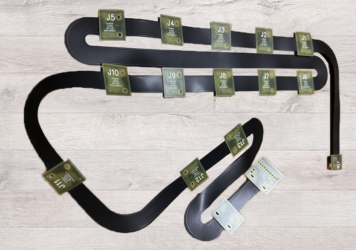
Extra long flex printed circuitry

Choosing the Right Manufacturing Method for Extra-Long Flexible Circuits

FPC (Flexible Printed Circuit) manufacturing has evolved significantly, with both panel-based and roll-to-roll (RTR) processing methods widely used. Each method...