

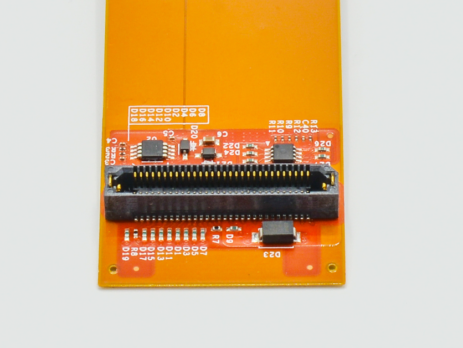
Flexible PCB Connectors: Molex, ZIF, LIF, Crimp, and Soldered Options for Reliable Interconnect Design
Flexible PCB Connectors: Options for Reliable Flex Circuit Interconnect Design
Flexible printed circuits are often chosen because they save space, reduce weight, and allow electronics to bend, fold, or fit into compact assemblies. But the flex circuit itself is only part of the design. How that...
PICA 2026 Annual Summit
PICA Annual Summit 2026: Aligning Around Our Customers
Organized by VP of Sales & Marketing Pascal Delloue, the 2026 Annual Summit brought together team members from across North America, Europe, and Asia at the Artisan Hotel in Tuscan Village, Salem, New Hampshire, for several days...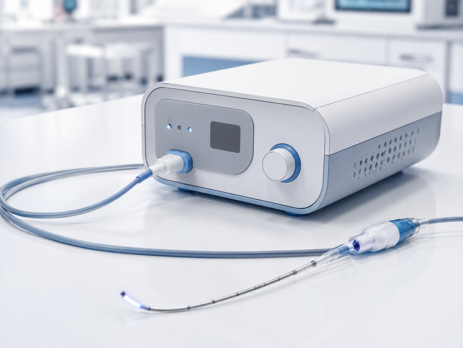
ISO 13485 Flexible PCB Manufacturing for Medical Devices
Medical devices are becoming smaller, smarter, and more connected, creating greater demand for compact electronics that can perform reliably in tight spaces. Flexible printed circuits help support this shift by enabling lightweight, space-saving designs for wearables, diagnostic equipment, surgical tools, and...

PICA New Global HQ in Salem, NH
PICA Expands with New Headquarters in Salem, New Hampshire
PICA Manufacturing Solutions is pleased to announce the acquisition of a new headquarters facility located at 13 Red Roof Lane in Salem, New Hampshire.This investment marks an important milestone in PICA's continued growth and reflects our commitment to...
Flex PCB Design Considerations for Point‑of‑Care Medical Devices
Point‑of‑care (POC) medical devices are designed to deliver diagnostics and monitoring directly at the patient’s location rather than in centralized laboratories. These systems must be compact, portable, energy‑efficient, and highly reliable. Flexible printed circuits (flex PCBs) are frequently used in these devices because they...

Highlights from Space Tech Expo USA 2026
Space Tech Expo USA 2026 brought together a wide range of companies working across satellites, launch systems, defense space programs, lunar infrastructure, in-space manufacturing, robotics, power systems, optical communications, RF technology, testing, interconnect, software, and advanced components. Held June 2-4 in Anaheim, California, the event offered a strong look...

What Are Metal Core PCBs Used For? Applications, Benefits, and Industry Examples
As electronic devices become more powerful and compact, managing heat has become one of the most important challenges in product design. Excessive heat can reduce performance, shorten component lifespan, and increase the risk of failure. This is especially true in applications that rely on high-power LEDs, power semiconductors, and densely...

New PICA Derry, NH General Manager
PICA welcomes a new team member Kevin Morrisette as our new General Manager of the Derry facility. Kevin brings more than 30 years of leadership experience in contract manufacturing. Throughout his career, he has helped found, grow, and lead multiple manufacturing organizations, most recently serving as CEO of a contract manufacturing...

Flex PCB in EV Batteries and Charging Systems: Long Flex Circuits, Nickel Tabs, and Reliable Interconnect Design
Electric vehicles are often discussed in terms of batteries, motors, and charging speed. But behind all of that performance is a complex electronics architecture that has to survive heat, vibration, current load, tight packaging, and electromagnetic noise. From the battery pack to the onboard charger to the charging station itself,...
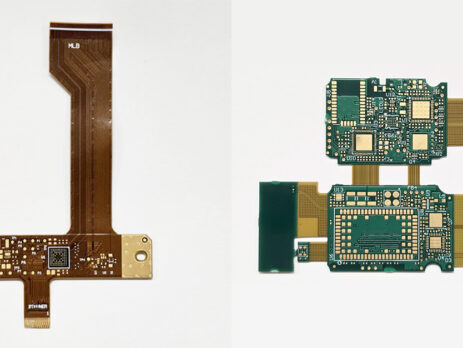
Rigid-Flex PCB vs. Flex PCB with a Rigidizer: Benefits, Differences, Costs, and Best-Fit Applications
When engineers need a circuit that can bend, fit into tight spaces, or replace bulky wire harnesses, flexible circuitry is often the right direction. But once a design also requires component support, connector stability, or selective stiffness, the decision becomes more specific: should the...
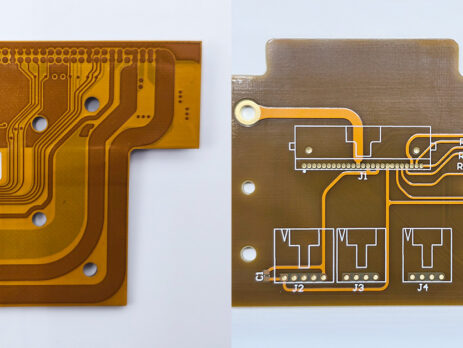
When Is Impedance Control Required in Flex and Rigid PCB Design?
When Is Impedance Control Required in Flex and Rigid PCB Design?
As electronic systems become faster, smaller, and more complex, maintaining signal integrity across printed circuit boards is increasingly important. One of the key design considerations for high-performance electronics is controlled impedance. While...
Highlights of Sensors Converge 2026
The future of intelligent electronics is becoming smaller, faster, smarter, and more connected — and few events showcase that transformation better than Sensors Converge 2026.Held at the Santa Clara Convention Center, Sensors Converge brings together engineers, innovators, semiconductor leaders, embedded system developers, AI companies, automotive technology firms,...
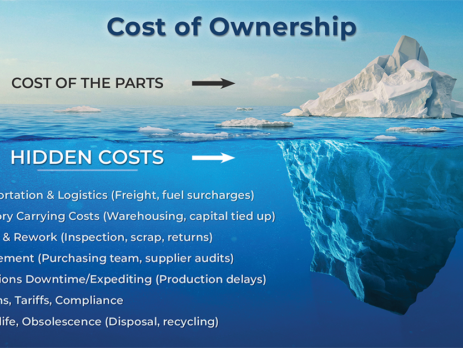
PICA Total Cost of Ownership
PICA’s Approach to Total Cost of Ownership in Electronics Manufacturing
When companies evaluate manufacturing options, quoted piece price is often the first number they compare. It matters, but it is rarely the full cost. In electronics manufacturing, total cost of ownership is also shaped by supplier fit, engineering support, quality...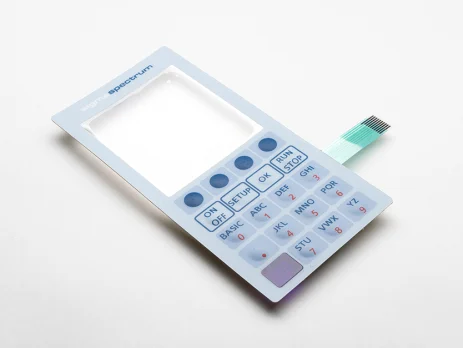
Membrane Switch: Custom Keypads for Reliable User Interfaces
Introduction
When you press the buttons on a medical device, industrial controller, or appliance, there is a good chance you are interacting with a membrane switch. These low-profile, sealed keypads give designers a reliable way to turn complex electronics into simple, easy-to-use...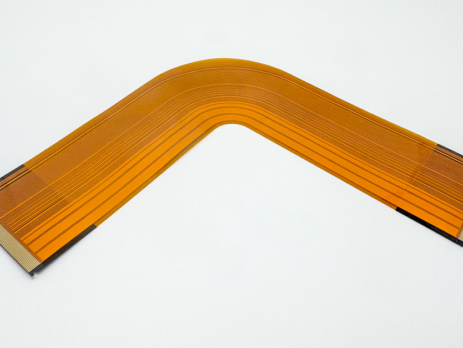
What Is Dynamic Flex PCB? Designing Flexible Circuits for Continuous Motion
Dynamic flex PCBs are where flexible circuit design stops being “just about fitting in tight spaces” and starts being about surviving motion—hundreds of thousands or even millions of bend cycles without cracking, drifting out of spec, or failing at the worst possible time.If you design wearables, medical...

SATELLITE 2026: Featured Innovators Driving the Future of Space and Connectivity
SATELLITE 2026 brought the global satellite, space, defense, and communications industries to Washington, D.C. from March 23-26, 2026. The show highlighted where the market is moving next: multi-orbit connectivity, tactical communications, phased-array systems, direct-to-device services, and more compact, rugged electronics platforms.For PICA Manufacturing Solutions,...

Promotions Announcement
Pascal has been promoted to VP of Marketing and Business Development. This promotion reflects the tremendous impact he has had on PICA’s growth and visibility. Pascal has done an outstanding job elevating our marketing efforts, strengthening our brand, and helping position PICA in key markets. His ability to connect strategy...
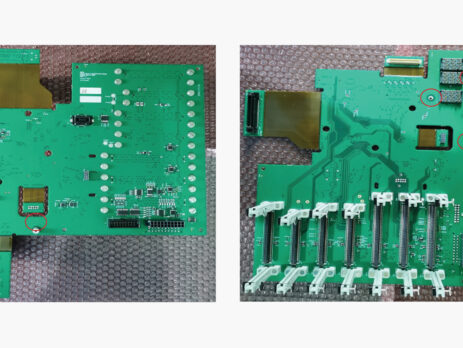
Hole Riveting in Electronics: Reinforcing Connections in Circuit Assemblies
As electronic assemblies become more compact and mechanically complex, manufacturers must ensure that electrical connections remain secure under vibration, handling, and long-term operational stress. One technique used to strengthen these connections is hole riveting.Hole riveting is a mechanical fastening method that uses small metal rivets inserted through pre-drilled or punched...
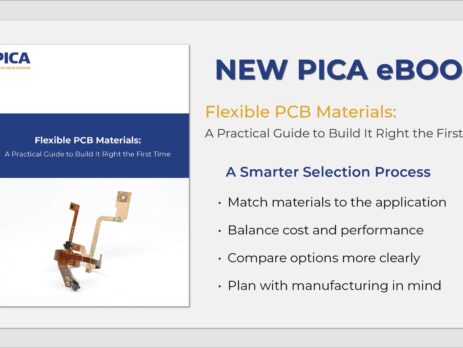
New Flex Materials eBook
We have just publisehd our 3rd eBook on Flex PCB! This eBook also covers the supporting materials that can have a major impact on final performance, including adhesives, coverlays, stiffeners, shielding materials, release liners, and thermally conductive films. These decisions influence assembly consistency, durability, protection, heat dissipation, and electrical performance in demanding...