
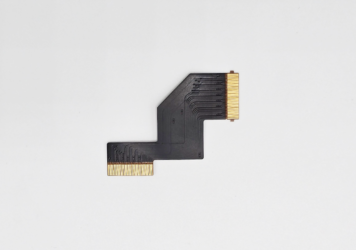
Roll-to-Roll (R2R) Process for Flexible Printed Circuits
Continuous, High-Throughput Flex Circuit Manufacturing for High-Volume Applications
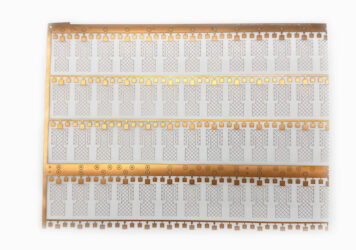
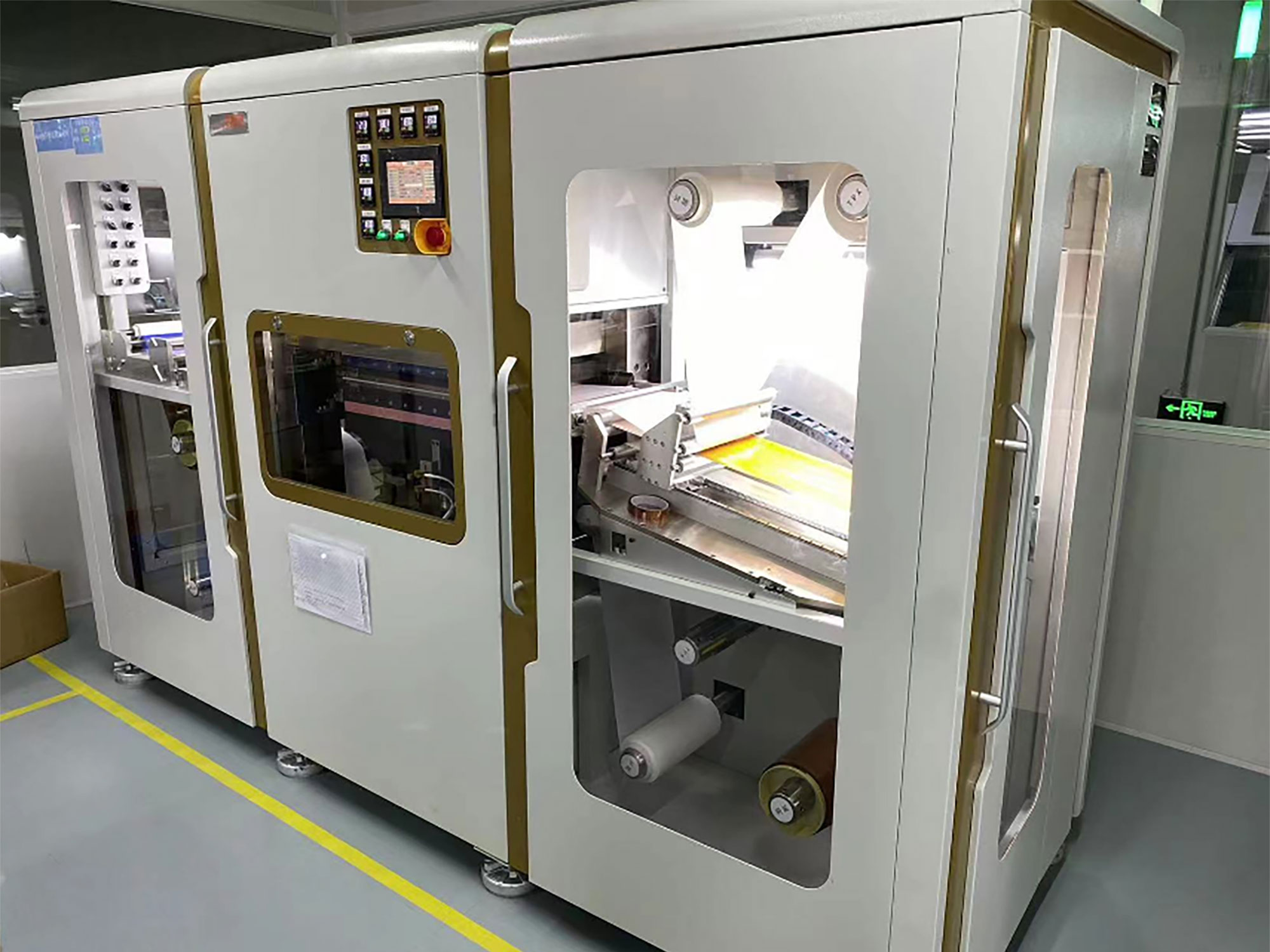
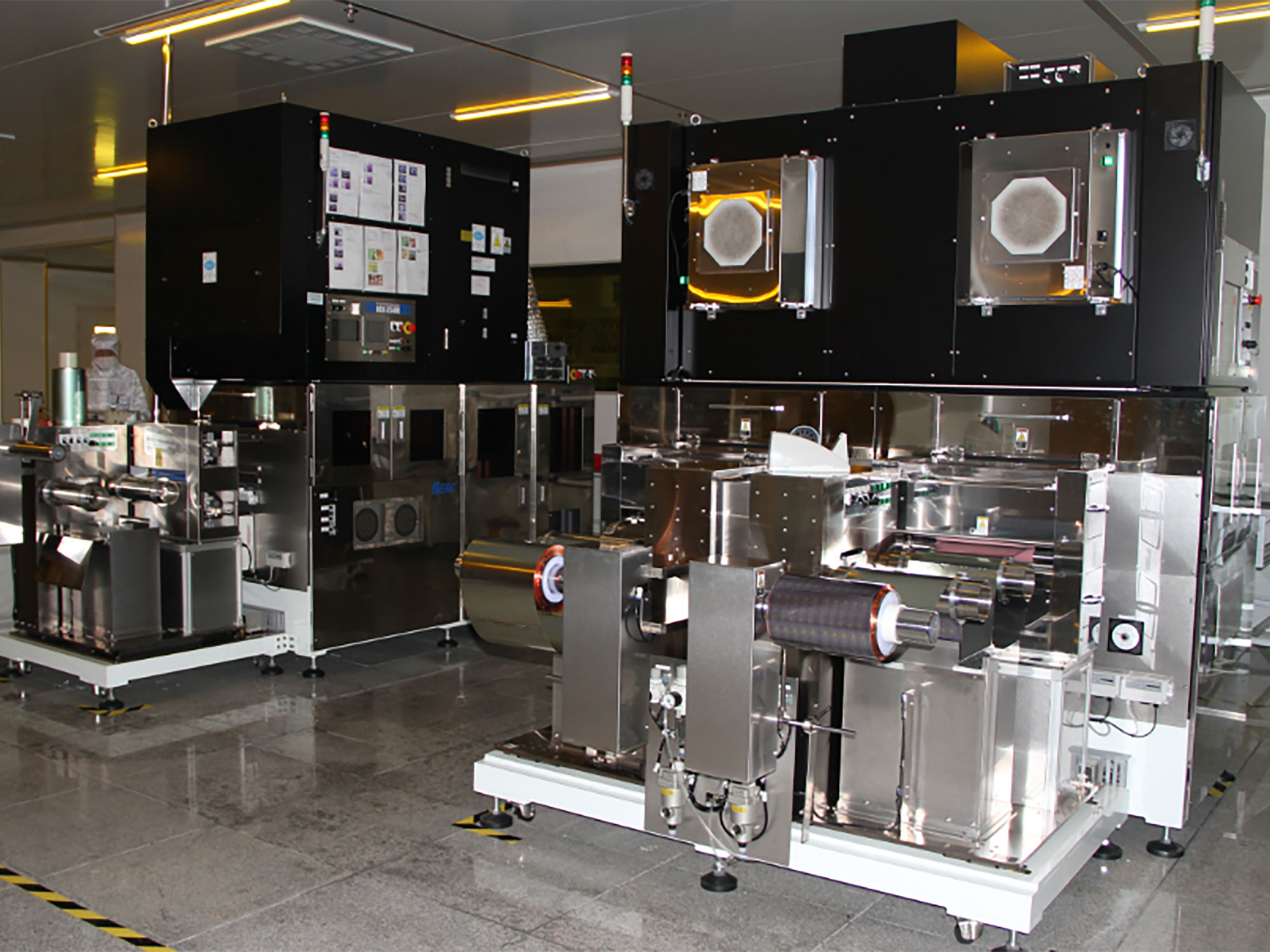
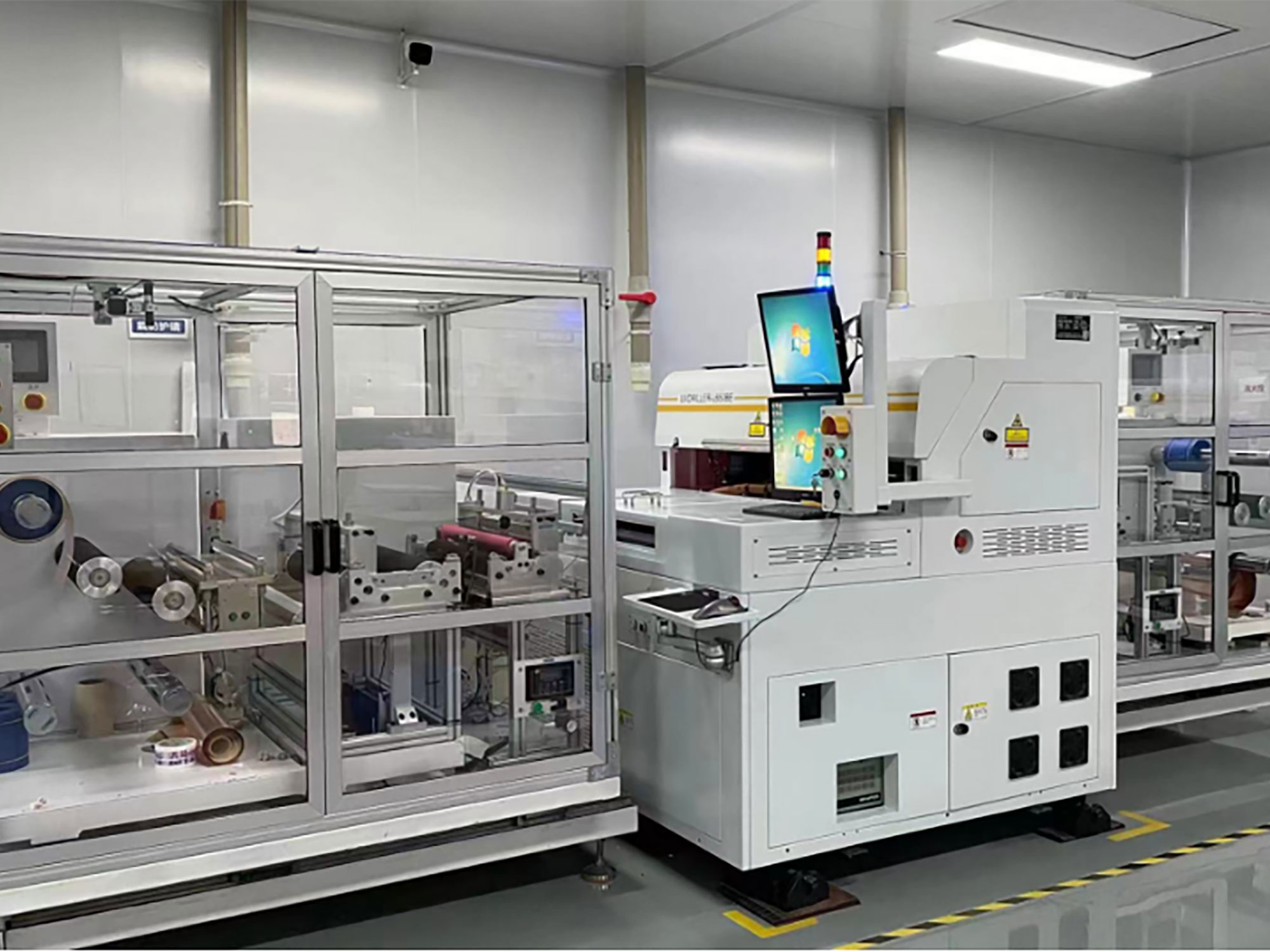
The roll-to-roll (R2R) process enables flexible circuits to be manufactured in a continuous web format, delivering outstanding throughput, quality and cost-efficiency. PICA’s R2R technology supports long-length, high-volume production of flexible PCBs, wearables, sensor ribbons, and printed electronics with tight tolerances and reliability.
Why Choose Roll-to-Roll (R2R) Process?
- High Production Throughput & Scalability – Continuous unwinding, processing and rewinding eliminates the start-/stop of panel processing and enables higher volume output.
- Lower Cost Per Unit for Flexible Circuits – Web-based processing reduces waste and handling, lowering manufacturing cost for large-volume runs.
- Exceptional Uniformity & Precision – Tight web tension control, alignment guides and continuous flow maintain high dimensional and process consistency.
- Ideal for Length, Flexibility & Compact Form-Factors – Enables long runs of flexible circuits (ribbon, roll, tape) with minimal seams, less interconnect complexity.
- Optimized for Modern Applications – Wearables, IoT ribbons, medical sensors, large-area flexible electronics benefit from R2R’s continuous nature.
Roll-to-Roll (R2R) Capabilities – Highlights
- Continuous web widths up to [insert PICA spec] mm, with roll lengths of [insert spec] m (depending on build).
- Web processing for flex circuits: imaging, plating, etching, drilling and finishing conducted while substrate remains on roll.
- Tight process controls: web tension, alignment guides, unwind/rewind speed control, profile flatness.
- Fine-line routing and substrate usage compatible with long web formats; support for tape-&-reel or singulated output from roll form.
- Engineering support for roll-to-roll vs panel trade-offs, substrate selection, handling of long runs, and volume manufacturability.
Global Design & Manufacturing Support
PICA provides end-to-end support for roll-to-roll flexible circuit programs — from early design consultation and stack-up definition, through pilot R2R runs and high-volume production. Our global footprint ensures scalable supply, continuous process control, and full traceability for roll-based flexible circuit manufacturing.
Benefits of Roll-to-Roll Process
Continuous Flow = Higher Output
By eliminating discrete panel transitions, R2R processes boost throughput and make high-volume flexible circuit builds cost-effective.
Consistent Quality Across the Web
Continuous motion and advanced tension/alignment controls ensure each unit from the roll meets the same high standard.
Simplified, Streamlined Interconnects
Roll-based flex circuits reduce the need for segmentation, joining or wiring harnesses — simplifying assembly and improving reliability.
Cost-Efficient for High Volumes
Web-based production reduces waste, handling and cycle time — delivering lower cost per unit when scale matters.
Design Flexibility for Modern Products
R2R supports long-run, high-density, flexible circuits in wearable, medical, industrial and IoT systems with tight form factors and high production volumes.
Markets We Serve with Roll-to-Roll Process
Wearables & IoT Devices
Production of ultra-thin, flexible ribbons and interconnects that need continuous manufacture and high volume.
Medical & Diagnostic Equipment
Long-length sensor ribbons, disposable flex strips, high-volume assemblies benefit from roll manufacturing.
Consumer Electronics & Flexible Displays
Flexible display ribbons, rollable modules, large-area flexible circuits suit R2R format.
Industrial & Automation Systems
Flexible sensor arrays, ribbon cabling, conveyor‐mounted electronics where length, flexibility and volume matter.
Embedded & Printed Electronics
Emerging printed-electronics applications (flex sensors, IoT ribbons, smart packaging) leverage R2R for cost-effective scaling.
The blogs featured below expand on this page’s content, offering detailed insights into specific design, manufacturing, and application topics that provide added relevance and deeper context for engineers and decision-makers.
Roll-to-Roll Processing: Driving the Next Generation of Flexible Circuits
Electronics are shrinking, getting lighter, and expected to perform flawlessly in demanding environments. From medical
Metal Core PCBs (MCPCBs): Thermal Muscle for High-Power Electronics
Modern electronics pack more power into tighter spaces than ever. That heat has to go somewhere.
Using Flex Circuits to Design Smaller, Smarter Electronics: The Smartphone Advantage
From the palm of your hand, smartphones have revolutionized how we connect, work, and navigate the world. But behind the...
Hybrid Flex PCB Assemblies: Combining Technologies for Smarter Designs
Modern products rarely fit neatly into a single interconnect category. Tight packaging, moving joints, long cable runs, heat-dense modules, and...
Environmental Resilience in Flex PCB Design
Part 1: High-Temperature Flex Circuit Design – Engineering for Heat Resistance
In aerospace, automotive, industrial,...
Compact Power, Cooler Systems: The Case for Ceramic PCBs in Modern Electronics
Modern electronics are expected to run hotter, switch faster, and survive harsher environments than ever. Standard FR-4 hits its limits...
Biocompatible Substrates for Flex and Rigid PCBs
In the expanding world of medical devices, and wearables, the demand for biocompatible substrates...
Best Practices for Grounding, Enclosure-Level Shielding, and Cable Shielding
As electronic devices become faster and more compact, susceptibility to electromagnetic interference (EMI) increases. Effective EMI control...