
EMI and Electromagnetic Interference Shielding Solutions
Protecting Electronics from Noise, Interference and Compliance Risk
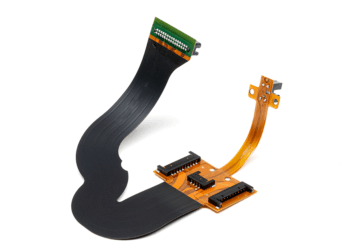
Electromagnetic interference is a growing concern in today’s dense circuitry and high-speed devices. PICA provides comprehensive EMI shielding solutions that integrate directly into board architecture. Our approach combines shielding materials, stack-up engineering, via-fence strategies, grounding planes, conductive coatings, and modeling support to help you meet signal integrity, EMC and compliance targets while maintaining cost-effective manufacturability.
Why Choose EMI Shielding Solutions?
• Signal Integrity and Performance Protection
Shielding limits coupling, crosstalk and radiated emissions that reduce margin on high-speed, RF and mixed-signal circuits.
• Regulatory and EMC Compliance
Optimized shielding helps designs pass CE, FCC, IEC, automotive EMC and other global compliance standards.
• Versatile Shielding Materials and Methods
We apply copper foils, conductive films, sprayed or plated coatings, shielding cans and via-fence isolation tailored to the design requirements.
• Design for Manufacturability Integration
Shielding is engineered into the stack-up and routing alongside impedance control, bend-to-install requirements and assembly constraints so performance and reliability are maintained.
• Greater Reliability in Harsh Environments
Shielded designs withstand heavy EMI exposure found in industrial, automotive, aerospace and radar systems while maintaining long service life.
EMI Shielding Capabilities – Highlights
• Embedded shielding layers and via-fence isolation for planar containment and reduced radiated fields in flex, rigid and rigid-flex circuits.
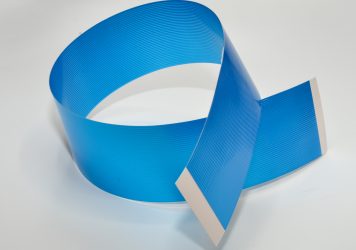
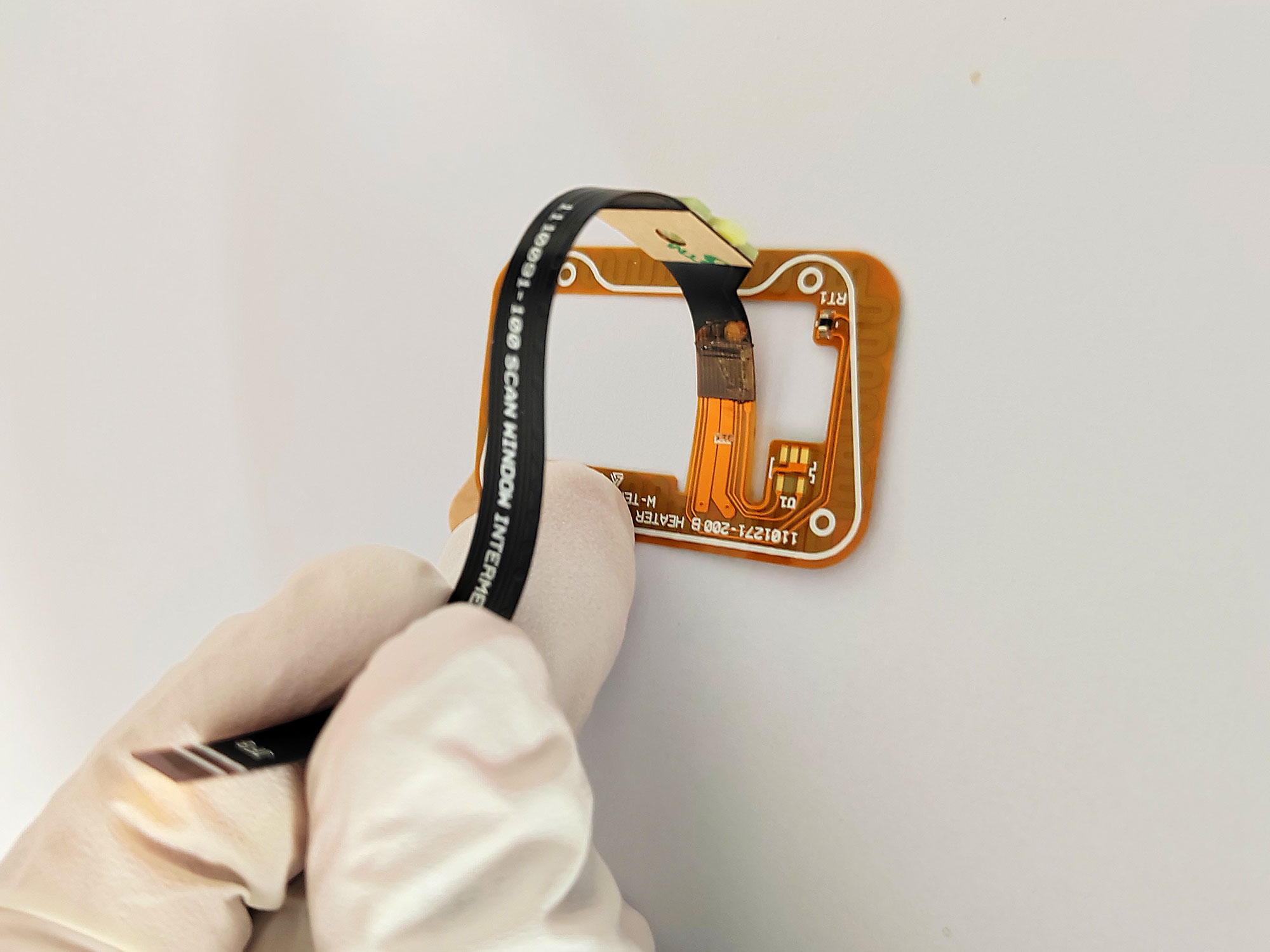
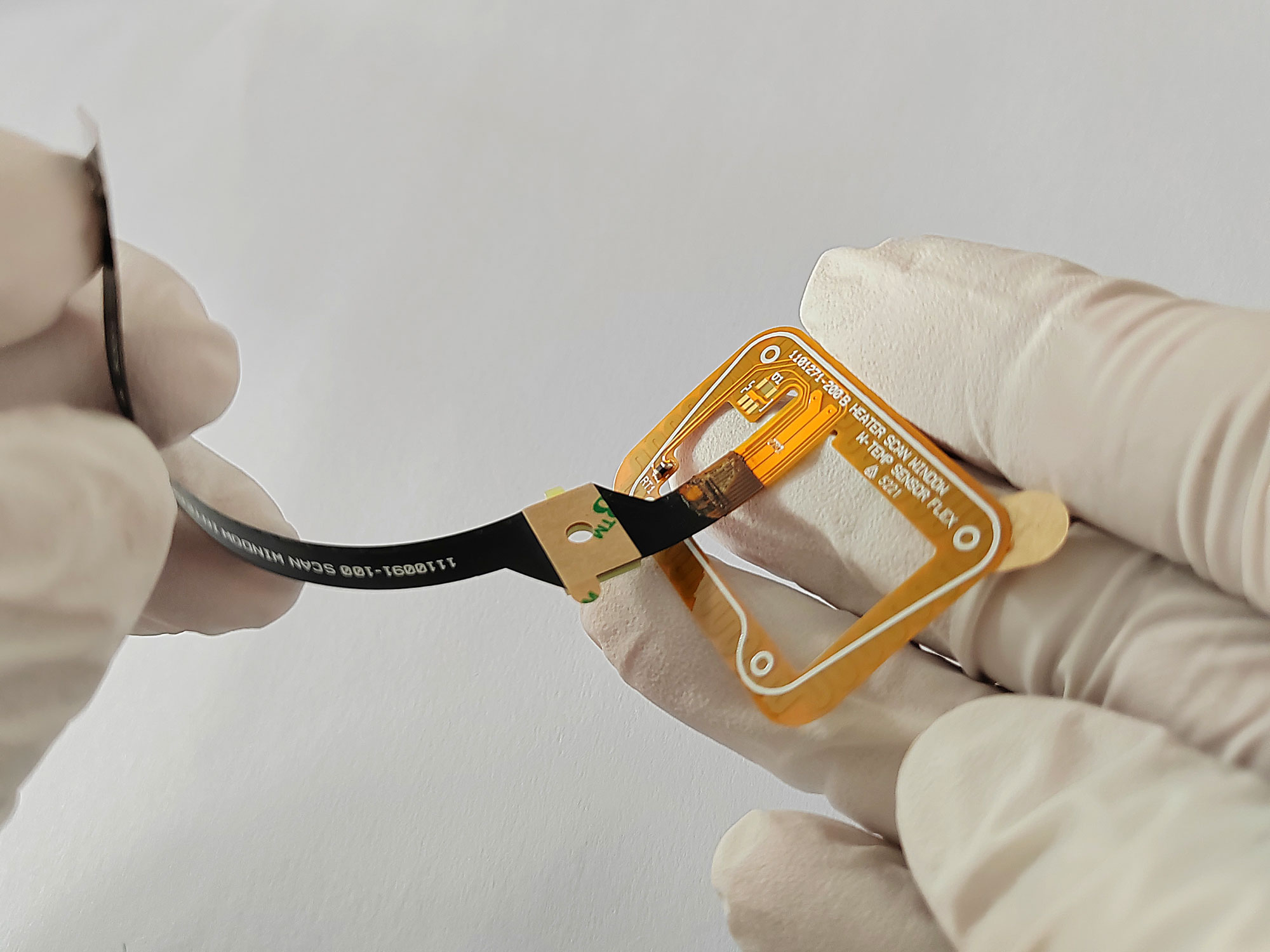
• Conductive coatings and shielding films for flexible or ultra-thin boards that require tight bend radii, dynamic flex performance or small enclosures.
• Shielding can or metal case integration for high-emission modules like RF amplifiers, switching power stages and radio transceivers.
• Stack-up, ground segmentation and impedance modeling to ensure shielding does not degrade controlled impedance lines, return paths or signal rise time performance.
• Prototype to volume manufacturing support including yield optimization, shielding layer adhesion, via-fill integrity, and cost-efficient material and coating selection.
For more technical information on PICA’s Engineering expertise, click the button below.
Global Design and Manufacturing Support
PICA supports EMI shielding from concept through production. Our engineering team works directly with your designers to define the shielding approach, select materials, model field behavior, integrate shielding layers into the stack-up, validate grounding strategies and ensure the design remains manufacturable. We review shielding effectiveness as part of the board architecture, routing, coating processes and assembly.
Benefits of EMI Shielding Solutions
Cleaner, More Reliable Signals
Effective shielding supports stable high-speed and RF performance, reducing data errors and signal distortion.
Fewer Compliance Delays
Shielded architectures reduce EMC test failures and costly redesigns, helping products reach markets faster.
Smaller, Denser Designs
Shielding for flex, rigid-flex and compact PCBs enables tight layouts without increasing emissions or noise susceptibility.
Robustness in Challenging Environments
Shielded boards maintain performance in vibration, heavy switching environments, power density zones and strong electromagnetic fields.
Manufacturable and Cost-Effective
Because shielding is integrated early and aligned with stack-up, plating, coating and assembly flows, you achieve protection without excess cost or complexity.
Markets We Serve with EMI Shielding Solutions
Consumer and Mobile Electronics
Wearables, IoT and handheld devices require strong RF and wireless shielding for performance and battery life.
Medical Devices
Imaging systems, sensors and patient-worn electronics demand EMI control for safety and diagnostic accuracy.
Automotive and Transportation
ADAS, EV power electronics and infotainment systems must perform in noisy, high-voltage and high-switching environments.
Industrial and Communications Systems
Automation, 5G systems, radar, base stations and telecom equipment depend on EMI resilience for network integrity.
Aerospace, Defense and Rugged Electronics
Mission critical platforms require precise shielding and high reliability in extreme EMI conditions.
The blogs featured below expand on this page’s content, offering detailed insights into specific design, manufacturing, and application topics that provide added relevance and deeper context for engineers and decision-makers.
PCB, Flex & PCBA Cost Pressures in 2026: What OEMs Need to Watch
Electronics manufacturing is heading into 2026 under pressure from several directions at once. Rising metals costs, laminate and prepreg repricing,...
Integrated Flex Circuits and Injection Molding for Electronic Devices
At PICA Manufacturing Solutions, we believe the future of electronics is not built component by component, it is engineered as...
How Flex PCBs Are Shielded for EMI and RFI Protection
Electromagnetic interference (EMI) and radio frequency interference (RFI) can disrupt signal quality, create data errors, and reduce...
Nickel Tab Mounting on Flex Circuits: Strengthening Electrical and Mechanical Connections
Flexible circuits are often chosen for their ability to route signals through tight spaces while tolerating bending...
Material Selection Framework for Flex PCBs
A practical step-by-step method for choosing materials that hold up in bending, assembly, and real environmentsFlex material...
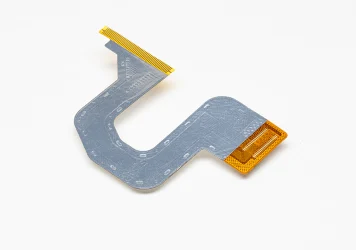
Alternatives to Copper in Flexible Circuits
Copper has been the backbone of flexible printed circuits (FPCs) for decades, and for good reasons. While...
Auxiliary Materials in Flex PCB Builds
Stiffener, EMI Shielding, Release liners, spacers, marking inks, thermally conductive adhesive films, and PSA selection guidance.When engineers...
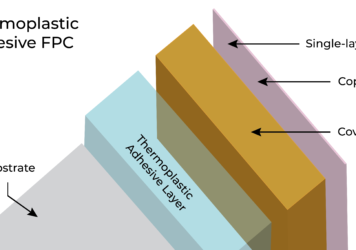
Flex PCB Adhesives and Bonding Guide
Thermoplastic vs thermoset adhesives, adhesiveless constructions, and the process factors that drive delamination riskIn flex circuits, reliability...