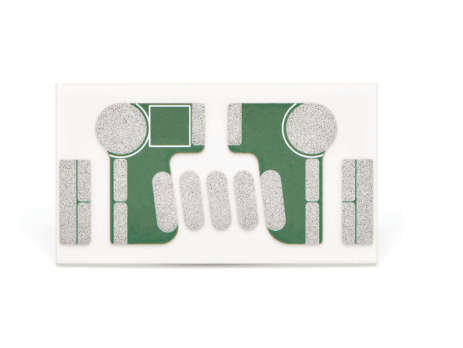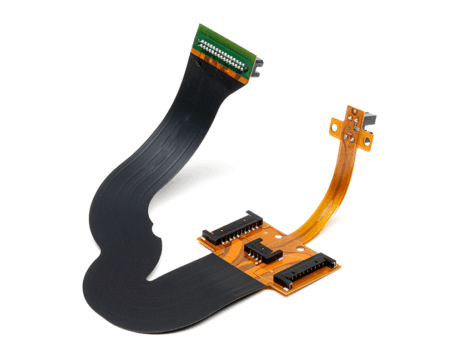

Biocompatible Substrates for Flex and Rigid PCBs
In the expanding world of medical devices, and wearables, the demand for biocompatible substrates in flex and rigid PCBs has never been greater. As electronic systems move closer to and even into the human body, designers and manufacturers must ensure that every...
Best Practices for Grounding, Enclosure-Level Shielding, and Cable Shielding
As electronic devices become faster and more compact, susceptibility to electromagnetic interference (EMI) increases. Effective EMI control is not only about material selection—it requires a comprehensive strategy involving grounding, enclosure-level shielding, and cable shielding. In this post, we’ll explore best practices for each of...
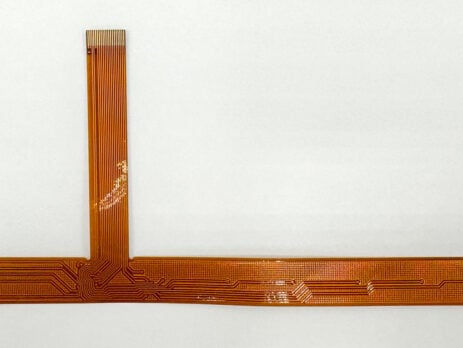
Advanced Trace Routing Techniques for Flexible PCBs: Boost Reliability and Performance
Designing a flexible PCB is not just about taking the layout practices from rigid boards and applying them to a bendable surface. Trace routing, the way copper pathways are arranged, has a direct impact on electrical performance, mechanical reliability, and long-term manufacturability....
Mastering Thermal Management in PCB and Flex Circuit Design
As electronic devices become more compact and powerful, managing heat effectively is critical to ensuring performance, reliability, and long product lifespans. Excessive heat can cause component failures, signal degradation, and even safety hazards. Whether working with rigid PCBs, flexible circuits,...
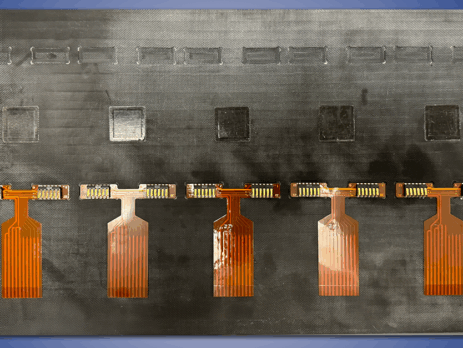
Step-by-Step Guide to the Flex Printed Circuit Board Assembly (FPCBA) Process
As electronics evolve to become thinner, lighter, and more complex, Flex Printed Circuit Boards (FPCBs) have emerged as a key solution. But building these flexible circuits into reliable assemblies requires precision and deep expertise. In this post, we walk through the Flex Printed Circuit Board Assembly (FPCBA)...
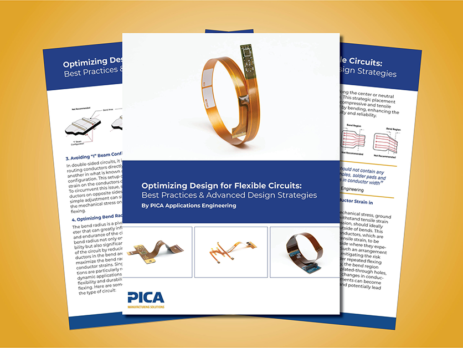
New White Paper: Optimizing Design for Flexible Circuits
New PICA White Paper: Optimizing Design for Flexible Circiuts: Best Practices & Advanced Design Strategies
If you design flexible circuits, take a look at our new white paper: “Optimizing Design for Flexible Circuits.”It walks through key design considerations — from material selection to layout strategies and manufacturing-friendly practices — to help...Designing for Precision: Controlled Impedance in Flexible Circuits
As electronic devices shrink and signal speeds increase, one design requirement becomes mission-critical: controlled impedance. This is especially true in flexible circuits—where mechanical and electrical performance must coexist in tight, dynamic spaces.At PICA Manufacturing Solutions, we help engineers design and build flexible and
Bending Without Breaking: How Flexible Circuits Are Tested for Reliability
Flexible circuits are built to bend—but only when designed and tested to handle real-world mechanical demands. Whether your product is a wearable device, medical catheter, or automotive sensor, the reliability of a flex circuit under repeated bending, twisting, or flexing is critical to its...
Embedding Performance: How Passive Components Are Integrated into Flexible Circuits
As electronic devices evolve to become smaller, smarter, and more power-efficient, engineers are under increasing pressure to maximize performance within minimal space. One innovative solution gaining traction is the use of embedded passive components—resistors, capacitors, and inductors that are built directly into the layers of a flexible printed circuit...
Designing for HDI PCB and Fine-Line Etching: What You Need to Know
As devices shrink and performance demands grow, engineers are turning to High-Density Interconnect (HDI) technology to pack more function into less space. Whether you're working on a compact sensor, a multi-layer RF module, or a dense wearable board, HDI and fine-line etching open up new possibilities—if you...
Kapton Etching in Flex Circuit Manufacturing: Processes, Materials, and Considerations
In the world of flexible electronics, polyimide films like Kapton® (a DuPont trademark) are a foundational material. Used in everything from flex circuits and medical sensors to MEMS and microfluidic systems, Kapton’s thermal stability and dielectric properties make it ideal—but in many applications, selective removal or patterning...
How to Design Rigid-Flex PCBs for Reliability: Bend Areas, Stackups, and Interconnects
Rigid-flex PCBs combine the best of both worlds—the durability of rigid boards and the versatility of flexible circuits—into a single integrated solution. They’re ideal for compact, high-reliability applications where connectors and wiring harnesses would add too much bulk or risk.But rigid-flex design isn’t just about stacking rigid and flex...
Explore the Possibilities of Flexible Circuit Design with the PICA Flex Sample Kit
Designing flexible circuits isn’t just about choosing the right materials, it’s about understanding how all the pieces come together under real-world demands. That’s why we created the PICA Flex Sample Kit, a hands-on tool that lets engineers explore different flex stack-ups, materials, and design strategies.Tangible Innovation You...
Why AOI and Quality Control Matter in PCB and Flex Circuit Manufacturing
When it comes to PCB and flex circuit manufacturing, even the most well-designed layout can fail if the build process introduces errors. That’s why quality control—and specifically Automated Optical Inspection (AOI)—is a critical part of every reliable fabrication process.As layer counts increase, traces shrink, and flexible materials introduce...
PICA Manufacturing Solutions 30th Anniversary
From Flexible Circuits to Flexible ThinkingOur journey began in 1995 through a strategic partnership with M-Flex, providing engineering and sales support for flexible circuits. Over the next three decades, PICA evolved from a flex specialist into a global electronics manufacturing force—expanding our reach, capabilities, and commitment to our customers at...
Guide to PCB & FPC Manufacturing Processes
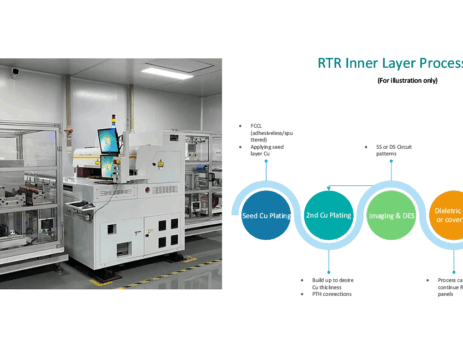
This blog is an excerpt from the white paper Guide to PCB & FPC Manufacturing Processes: Subtractive, Semi-Additive & Additive Techniques. Request the full white paper here. As PCBs and flex circuits evolve to support smaller devices, denser routing, and higher performance, engineers are turning to more advanced copper...
How to Protect Your Flex Circuits: Strain Relief and Tear Resistance Strategies
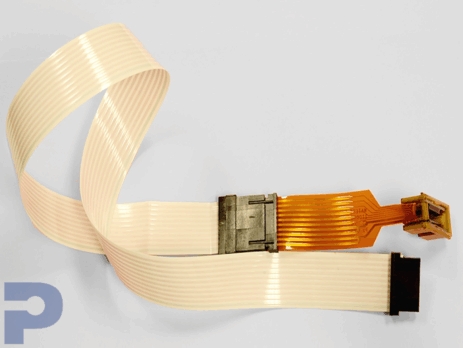
Flexible circuits—such as FFCs, FPCs, and rigid-flex assemblies—offer unparalleled design freedom in compact and dynamic electronic applications. However, their inherent flexibility makes them susceptible to mechanical stresses that can lead to failures like tearing, delamination, or conductor fatigue. Implementing effective strain relief and tear resistance measures is crucial...
Designing High Voltage PCBs: Key Layout and Material Considerations
When working with high-voltage circuits, design priorities shift. While many PCBs focus on high-speed signaling, impedance control, or component density, high-voltage designs prioritize safety, insulation, and spacing. Whether you're developing an industrial power controller, EV subsystem, or medical device, successful high-voltage PCB design demands a clear understanding...
The Rise of the Nimble Enterprise: Why Outsourcing Supply Chain Expertise Makes Strategic Sense
There was a time when business success was measured by how much a company could do in-house. From raw material procurement to delivery, fully vertically integrated corporations—think Ford or General Electric—dominated. The logic was simple: control every step, minimize risk. But that model no longer fits today’s fast-changing environment. The most...