

Ultra-Thin Flexible Printed Circuits

Ultra-Thin Flexible Printed Circuits

Ultra-Thin Flexible Printed Circuits

CONTACT AN ENGINEER Customer service

Ultra-Thin Flexible Printed Circuits (FPC) for Lightweight, Compact Electronics

Flexible Circuit Boards Engineered for Minimal Thickness, Maximum Performance

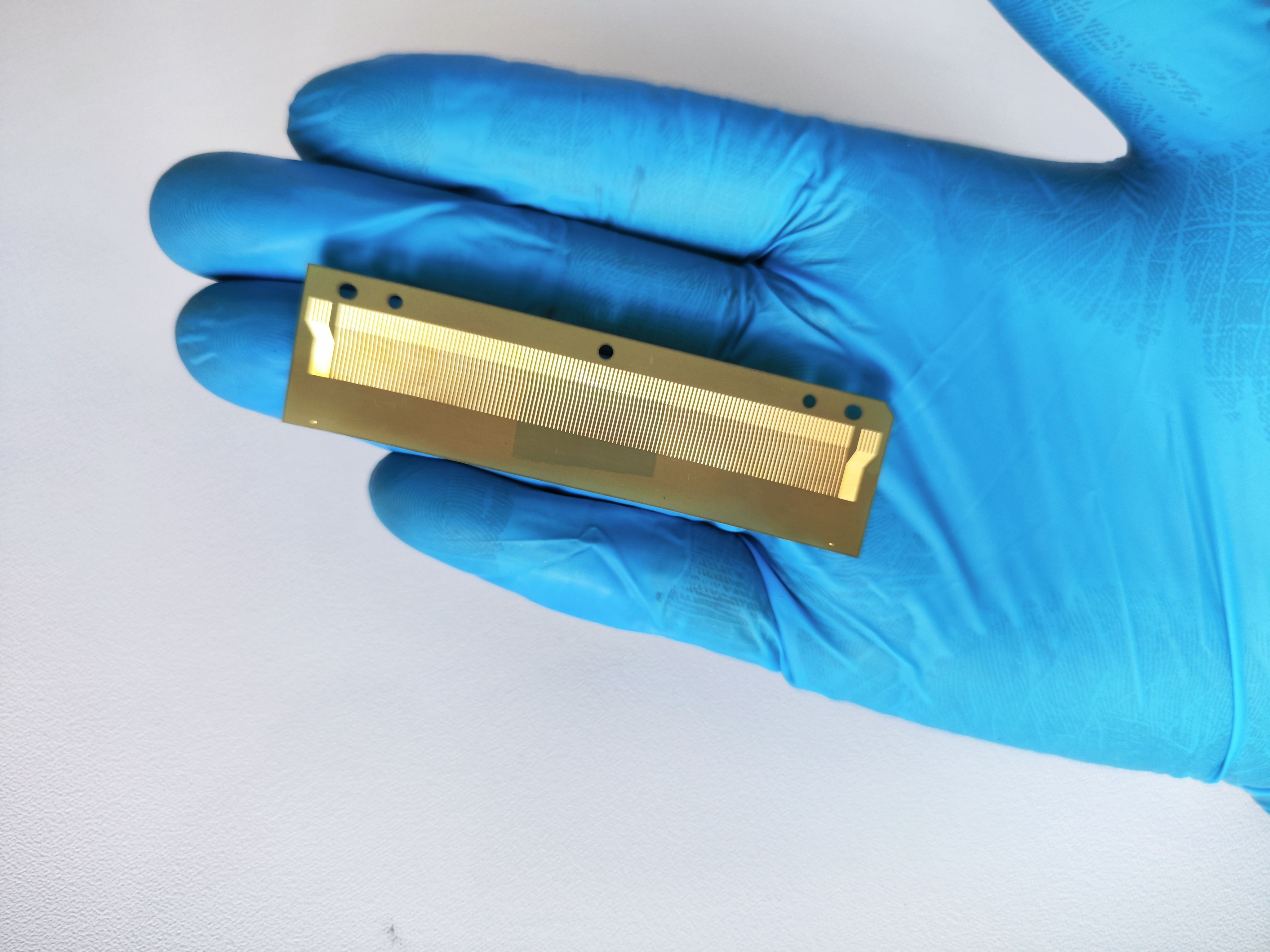
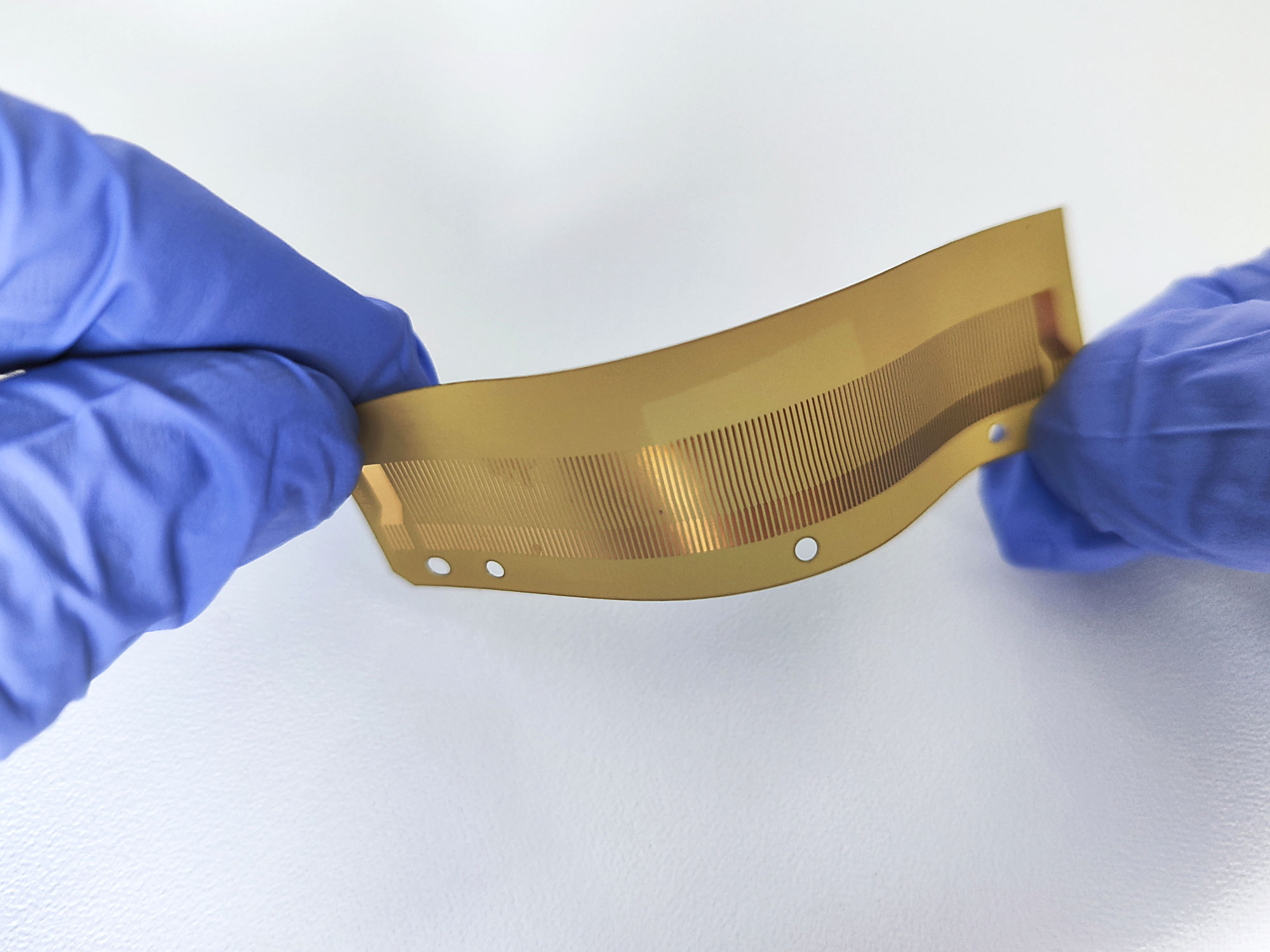
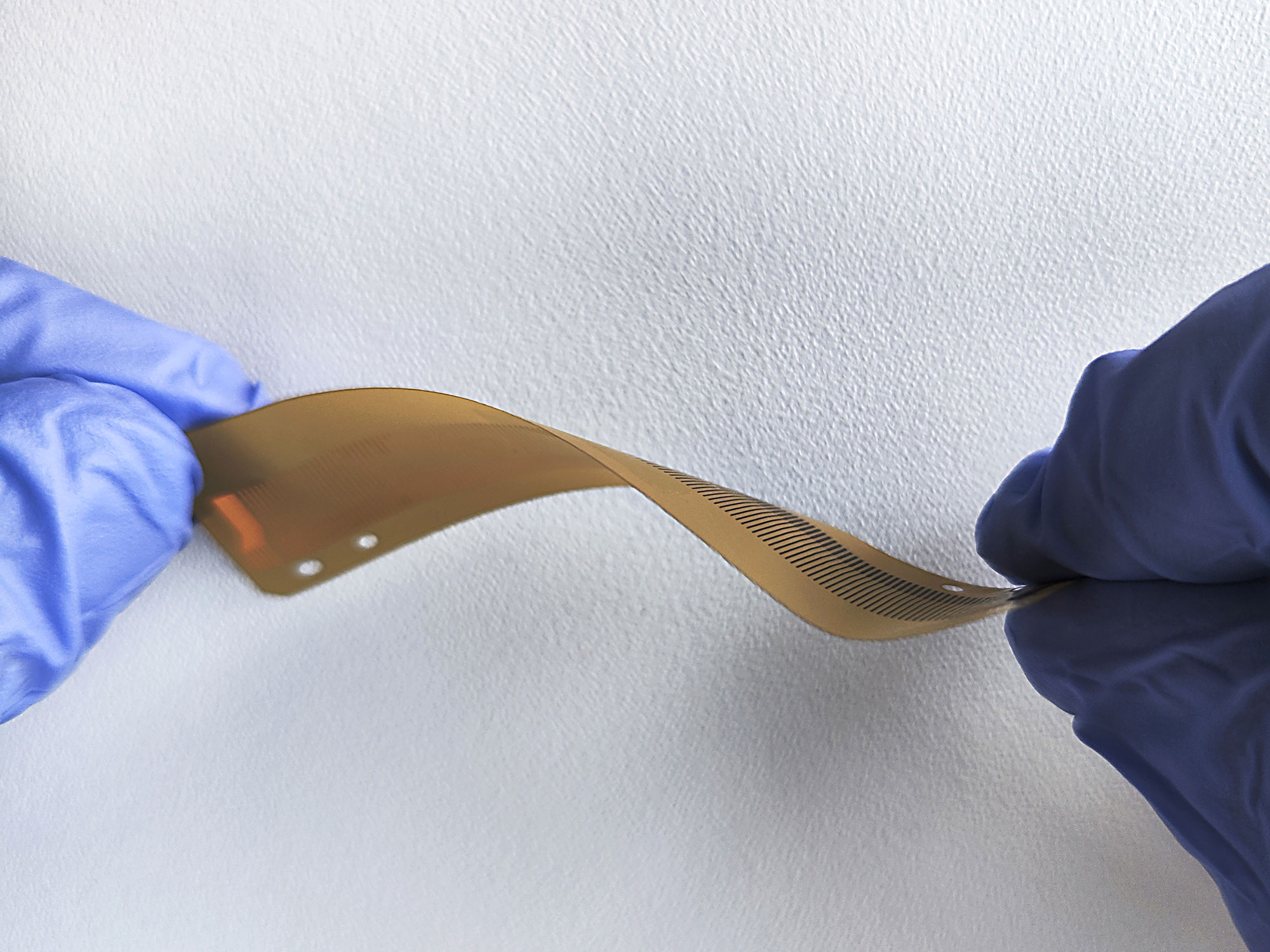
Ultra-thin flexible printed circuits let you push into ultra-compact form factors where every gram and micron count. PICA delivers precision FPCs with ultra-thin materials and advanced manufacturing for wearables, medical devices, foldables and space-constrained applications.

Learn more about how to overcome the challenges in designing ultra-thin flex circuits. Read more here.

Why Choose Ultra-Thin Flexible Printed Circuits?

  • Minimal Thickness & Weight – Ultra-thin substrates allow board thicknesses down to ~0.20 mm or less, enabling slimmer, lighter assemblies.
  • Space-Constrained Packaging – Ideal for wearable tech, medical implants, foldable electronics and any application where height is restricted or comfort is key.
  • High Flexibility & Conformability – Ultra thin construction enables tight bend radii, fold‐to‐install, even wraparound designs.
  • Precision Manufacturing & Materials – Achieved through adhesive-less polyimide stacks, laser-direct imaging, and specialized handling for ultra-thin panels.
  • Optimized for Miniaturization – Supports fine-line routing, small pad designs, low mass interconnects for next-gen devices.

Ultra-Thin FPC Capabilities – Highlights

  • Ultra‐thin constructions: e.g., 3 µm copper on 25 µm polyimide; 18 µm copper on 12.5 µm polyimide; finished thickness as low as 0.20 mm ± 0.08 mm.

  • Adhesiveless / thermoplastic polyimide (TPI) material sets for improved durability and precision.

  • Laser Direct Imaging (LDI) and fine‐line etching for ultra-thin substrate processing and trace precision.

  • Specialized process controls for ultra-thin panel handling: thickness/flatness, scratch resistance, warpage mitigation.

  • Design guidance: low mass, low profile circuits for wearables, sensors, compact modules, with engineering collaboration for manufacturability and reliability.

Global Design & Manufacturing Support

PICA’s engineering team works closely with your design team—from concept to volume production—to define ultra-thin stack-ups, material selection, bend features, flatness tolerances and assembly readiness. Early collaboration ensures manufacturability, reliability and efficient production of ultra-thin flex circuits for your application.

The blogs featured below expand on this page’s content, offering detailed insights into specific design, manufacturing, and application topics that provide added relevance and deeper context for engineers and decision-makers.

PCB, Flex & PCBA Cost Pressures in 2026: What OEMs Need to Watch

Electronics manufacturing is heading into 2026 under pressure from several directions at once. Rising metals costs, laminate and prepreg repricing,...
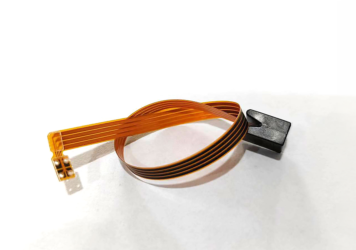
Flexible circuitry with a molded end cap coiled up

Integrated Flex Circuits and Injection Molding for Electronic Devices

At PICA Manufacturing Solutions, we believe the future of electronics is not built component by component, it is engineered as...
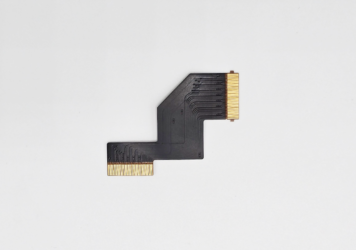
Small flex circuit with black EMI shielding

How Flex PCBs Are Shielded for EMI and RFI Protection

Electromagnetic interference (EMI) and radio frequency interference (RFI) can disrupt signal quality, create data errors, and reduce...

How to Choose Flex PCB Materials for Bend Reliability, Heat, and Cost

A practical step-by-step method for choosing materials that hold up in bending, assembly, and real environmentsFlex material...

Next-Generation Wearable Health Monitoring: Polymer Thick Film Electronics and Biosensor Patches

Polymer Thick Film (Printed Electronics): Thin, Flexible, and Designed for the Human BodyPolymer Thick Film (PTF) technology, commonly referred to...

Reel to reel process of ultra-thin material

Ultra-Thin Flexible Circuits: Overcoming Challenges in Dielectric Substrate

In Part 1, we explored the challenges of manufacturing ultra-thin flexible circuits with a focus on the conductive layers, highlighting...
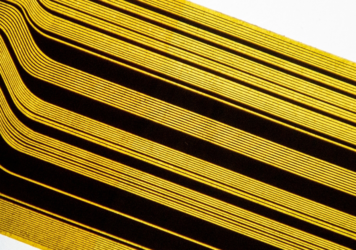
Close up of a Ultra Thin Flex Printed Circuitry

Building Ultra-Thin Flexible Circuits: Part 1 – Conductor

One of our key customers approached PICA with the challenge of manufacturing ultra-thin flexible circuits. A critical component of this...

Close up of polyimide flexible circuit material

Adhesiveless Technologies for Flexible Circuits: Unlocking Next-Generation Performance

In the world of flexible electronics, the shift from traditional flexible copper-clad laminates (FCCLs) to adhesiveless materials represents a significant...