ISO 13485 Flexible PCB Manufacturing for Medical Devices
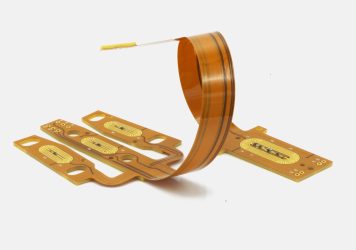
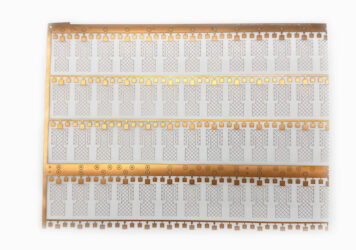
Medical devices are becoming smaller, smarter, and more connected, creating greater demand for compact electronics that can perform reliably in tight spaces. Flexible printed circuits help support this shift by enabling lightweight, space-saving designs for wearables, diagnostic equipment, surgical tools, and other medical technologies.
For medical applications, however, performance is only part of the requirement. Manufacturers must also follow strict quality controls, documentation practices, and traceability standards. ISO 13485 provides a quality management framework specifically for medical device manufacturing and related components.
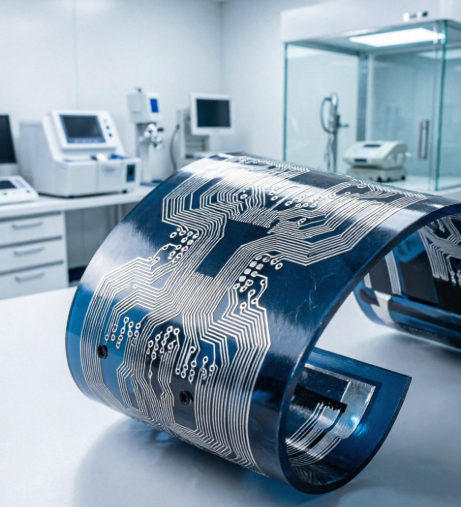
For flex PCB manufacturing, ISO 13485 helps ensure that materials, processes, inspections, and documentation are controlled throughout production. This is especially important for medical devices where reliability, repeatability, and patient safety are critical.
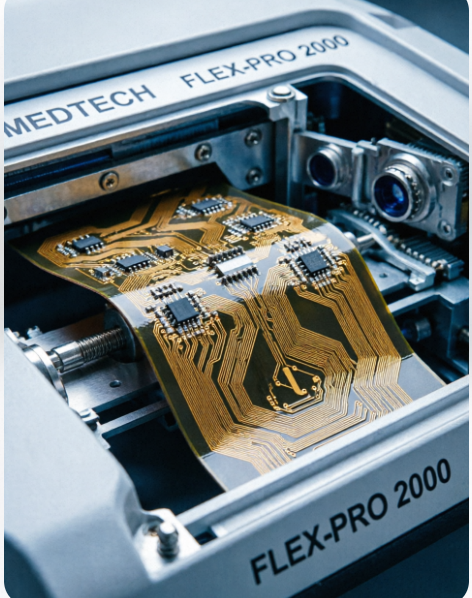
Key aspects of ISO 13485 in electronics manufacturing include:
• Full material and component traceability
• Controlled documentation and revision management
• Process validation and manufacturing controls
• Inspection and testing procedures
• Supplier qualification and auditing
• Corrective and preventive action systems
These controls help reduce manufacturing risk and support consistent quality for flexible circuits used in regulated medical applications.
Why Flexible Circuits Are Widely Used in Medical Devices
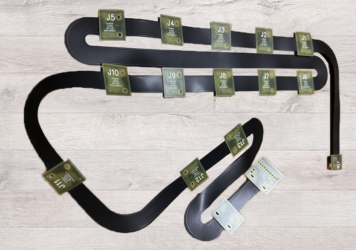
Flexible circuits have become a preferred solution for many medical electronics because they enable miniaturization, lightweight designs, and complex routing in compact spaces.
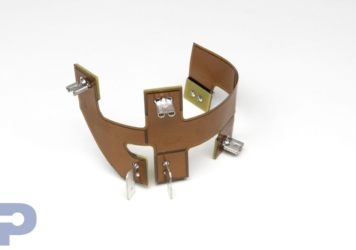
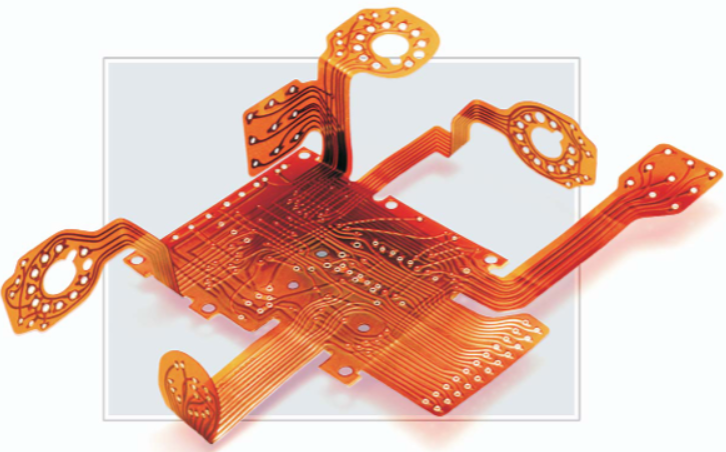
Flex PCBs allow designers to integrate circuitry into shapes and structures that rigid boards cannot accommodate. This capability is especially valuable for medical devices where space, weight, and reliability are critical.
Common medical applications that use flexible circuits include:
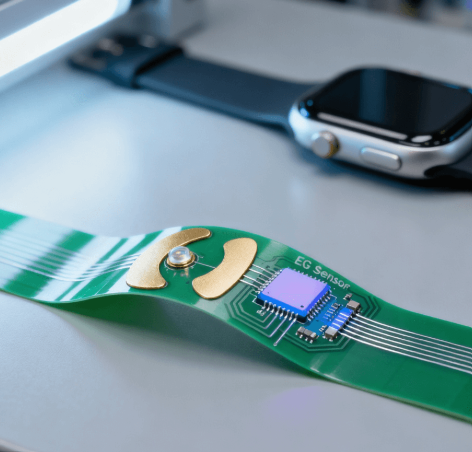
• Wearable patient monitoring devices
• Diagnostic and imaging equipment
• Surgical tools and robotic instruments
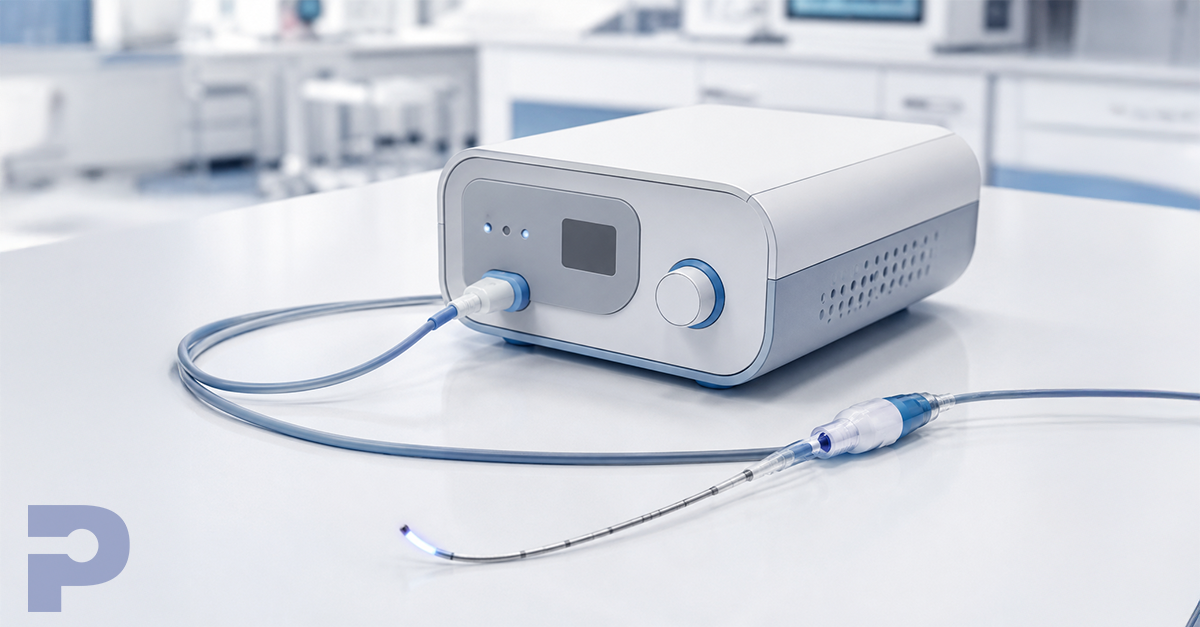
• Catheter-based electronics
• Implantable or minimally invasive medical devices

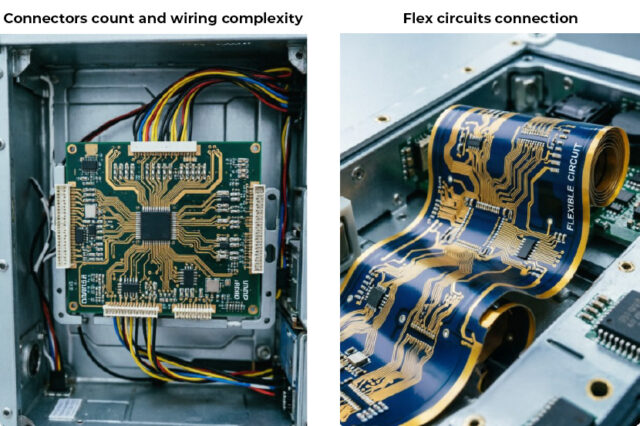
Flex PCB Design Considerations for Medical Applications
Designing flexible circuits for medical devices requires careful attention to reliability, durability, and material selection. Because these devices often operate in demanding environments, flex circuits must withstand repeated movement, sterilization processes, and long operational lifetimes.
Some of the most important design considerations include:
Material Selection
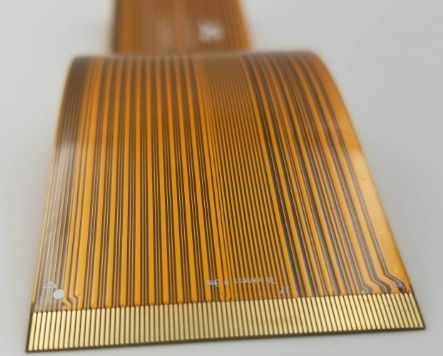
Polyimide-based materials are commonly used in medical flex circuits due to their thermal stability, durability, and ability to withstand sterilization environments.
Dynamic Flex Reliability
Applications such as wearable monitors or robotic surgical equipment may require circuits that flex repeatedly without failure. Proper copper selection, bend radius design, and layer construction are critical to ensure long-term reliability.
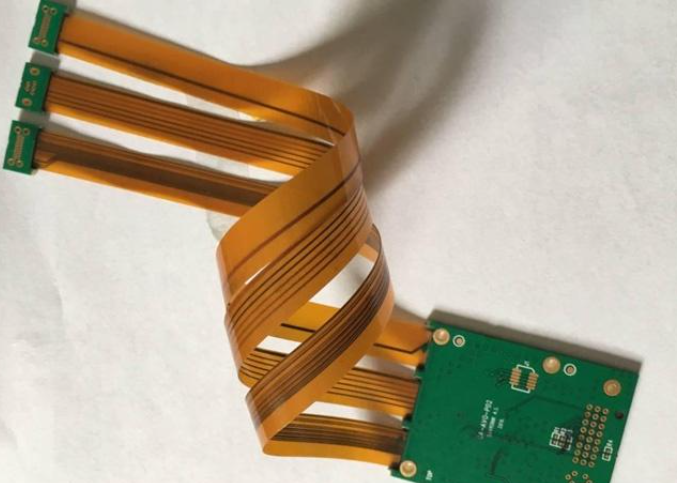
Miniaturization and High-Density Design
Medical electronics often require extremely compact circuit designs. Flexible circuits allow high-density routing while reducing overall device size and weight.
Signal Integrity and Impedance Control
High-speed digital interfaces and sensor systems may require controlled impedance to maintain signal integrity within compact flex circuits.
Environmental Protection
Medical devices may require protective coatings, encapsulation, or shielding to protect electronics from moisture, chemicals, and electromagnetic interference. Common protection methods include epoxy encapsulation, conformal coatings, and EMI/RFI shielding using conductive films, inks, or copper layers. These protections help ensure reliable performance in environments where medical electronics may be exposed to fluids, sterilization processes, or electrical noise.