Rigid Flex PCB

Preventing the Delamination of Your Flex Circuitry in the Soldering Reflow Process

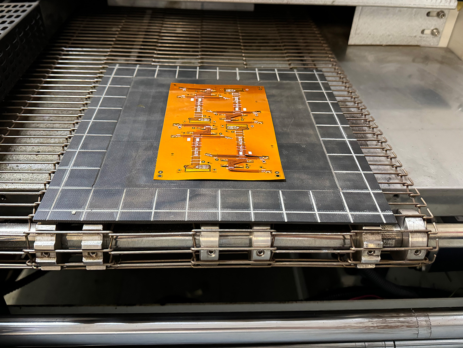
Why Do Flex PCB Delaminate in High Temperature Exposure?Flex Printed Circuits (FPCs) face a common issue during soldering reflow: delamination. This problem, primarily caused by rapid temperature changes, can severely impact the circuit's integrity and functionality. The root cause is often moisture absorption, which can occur in various parts...

Case Study: Innovating Medical Healthcare Technology with Rigid Flex PCB Design

Customer Overview: The customer in this case study is a leading company in the healthcare technology sector, known for its groundbreaking work in developing cutting-edge imaging technology. As an industry leader, they are constantly seeking to enhance the performance and reliability of their equipment to meet the rigorous demands of...

Understanding Anisotropic Conductive Adhesives: How ACF Works and Where It’s Used

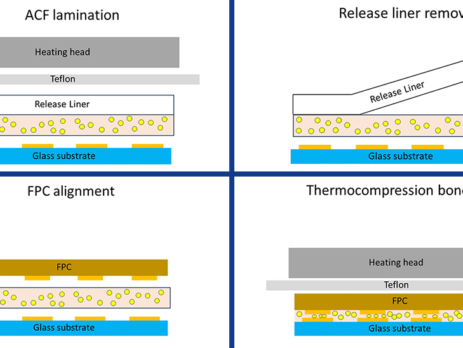
Anisotropic Conductive Film (ACF) represents a significant advancement in the realm of electronic packaging technology. Serving as a crucial interconnect material, ACF stands out for its unique combination of attributes. It acts as a transparent polymeric connector material, endowed with the triple characteristics of adhesion, conductivity, and insulation. This makes...

Flexible Printed Circuits: PICA’s Expertise in Material Selection

Flexible Printed Circuits (FPC) are revolutionizing the electronics industry with their unique combination of flexibility, reliability, and lightweight construction. At the heart of these circuits lies their base material, typically polyimide (PI) or polyester (PET) films. These materials are selected for their excellent properties, including high density, thinness,...